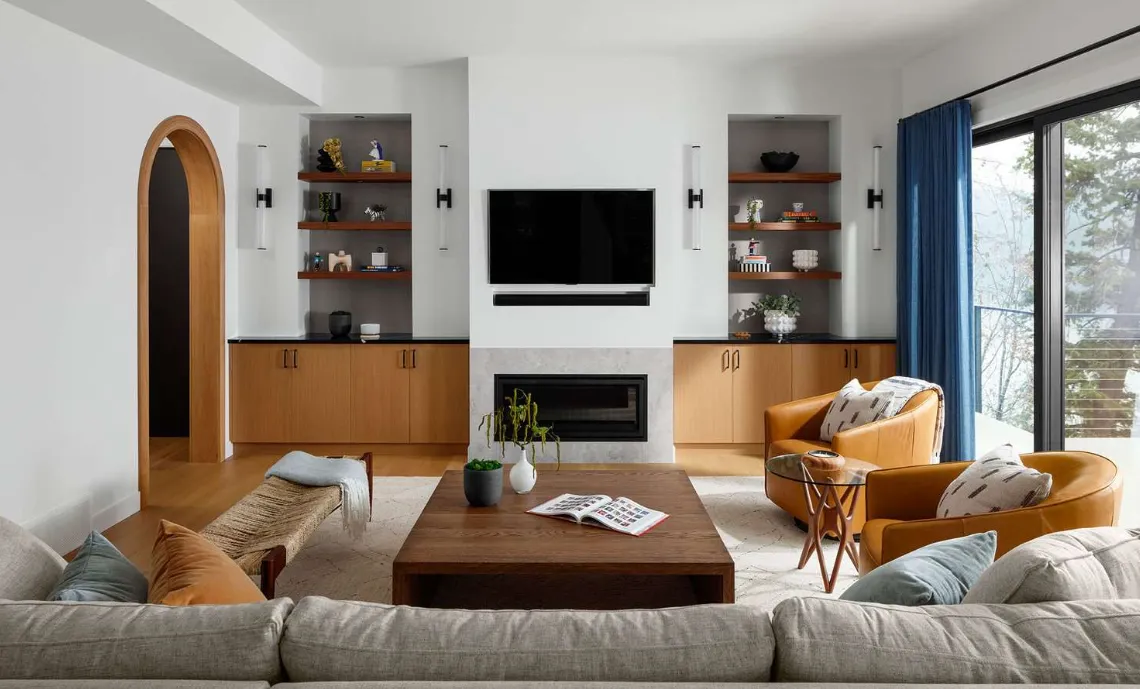
Creating a dedicated entertainment space feels like the ultimate dream for serious movie buffs. You finally have a spare bedroom, an empty garage, or a newly finished basement ready for a complete transformation. Most people immediately rush out to start shopping for oversized leather couches and massive tower speakers. They get completely obsessed with the seating and the sound but often leave the actual visual centerpiece as an absolute afterthought. Shoving a massive electronic box onto a small coffee table right in the middle of the room instantly ruins the premium aesthetic you worked so hard to build. It creates a highly frustrating, tangled mess of wires on the floor. It completely blocks your view of the screen if you lean the wrong way. The permanent solution to this common problem is actually quite simple. You just need to look up. Suspending your primary display hardware overhead completely changes the entire dynamic of the space. It gives you back your valuable floor plan. It hides the bulky technology until the exact moment you actually need it.
The Magic of Overhead Installation
Space is an absolute premium in any house today. When you dedicate an entire room specifically for entertainment, you want it to feel incredibly comfortable, open, and inviting. A massive plastic unit sitting directly in the middle of the floor severely disrupts the natural flow of foot traffic. It also becomes a huge, terrifying hazard if you have young kids or energetic pets running around in the dark during a movie night. Installing a dedicated ceiling projector completely eliminates all of those frustrating physical obstacles in one smart move. The heavy hardware practically vanishes into the architecture of the room itself. You instantly gain the complete freedom to position your luxury seating exactly where the acoustics sound best, rather than strictly where the electronics dictate you have to sit.
Wiring and Aesthetic Cleanliness
Let us talk about the absolute nightmare that is cable management. Nothing ruins the high-end vibe of a custom media room faster than thick, ugly black HDMI cables snaking across a beautiful rug. An inverted overhead setup forces you to do things the right way. You route your power lines and your heavy video cables safely behind the drywall or up into the attic space. This definitely takes a little bit of extra effort and planning upfront during the initial renovation phase. But the final payoff is absolutely massive. Your room looks flawlessly clean and meticulously organized. You achieve that highly sought-after, custom-built architectural look that professional interior designers usually charge an absolute fortune to execute.
Uncompromising Visual Performance
You are obviously not just building this room to make it look pretty for house guests. You are building it to get completely lost in your favorite films and video games. You want visuals that aggressively pull you right into the story from the opening credits. If you are going through the intense physical effort of permanently mounting hardware overhead, you absolutely cannot skimp on the optical engine driving the whole experience. Searching for the best 4k home theater projector means hunting down a unit that delivers absolutely staggering contrast, ridiculous brightness, and lifelike color depth.
Standard televisions simply cannot replicate the sheer, overwhelming scale of a properly projected cinematic image. We are talking about screen sizes that easily push past one hundred and twenty inches diagonally. When you pair that massive, wall-filling scale with true ultra-high-definition resolution, the level of tiny detail is genuinely mind-blowing. You catch subtle background textures and tiny facial expressions that you never even noticed during your previous viewing sessions. The colors pop with incredible intensity, especially if you select a modern solid-state laser light source that completely outperforms ancient, dim lamp technology.
When you throw high dynamic range processing into the mix, the visual impact becomes downright startling. The physical gap between the darkest shadows in a tense horror movie and the blinding headlights of an oncoming car expands dramatically. Older machines used to just crush all of those beautiful, subtle dark details into a flat, boring gray wall. Now, you actually see the intricate textures hiding in the shadows. Finding a unit that handles these deep, inky blacks properly is the absolute secret to achieving that premium multiplex feeling right in your own house.
Perfecting the Room Environment
High-end visual gear demands a properly prepped room to truly shine its brightest. Ambient light is the absolute enemy of any projection setup, no matter how much you spend on the hardware. Even the brightest, most powerful light engines struggle heavily if afternoon sunlight is aggressively pouring through a massive window right next to your screen. You have to take serious control of the room lighting to protect the contrast.
Lighting Control Strategies
- Invest heavily in motorized blackout shades that drop down instantly with the push of a single smart home button.
- Paint your walls and ceiling a dark, flat, matte color to stop stray light from bouncing around the room and washing out the picture.
- Install dimmable LED bias lighting behind your seating area to drastically reduce serious eye strain during long, epic movie marathons.
- Choose a specialized ambient light-rejecting screen material if your room simply cannot be made pitch black during daytime viewing hours.
The Crucial Role of Audio
People get so completely obsessed with the massive wall-sized picture that they completely neglect the sound system. Audio actually makes up more than half of the total emotional cinematic experience. A gigantic, beautiful picture feels entirely hollow if the dialogue sounds muddy or the explosions lack serious, chest-thumping punch. Since your projection hardware is safely tucked away on the ceiling, you have maximum flexibility for your speaker placement on the floor.
Speaker Placement Tactics
- Position your center channel speaker directly below or even entirely behind an acoustically transparent screen so voices actually sound like they come from the actors.
- Place your heavy, dedicated subwoofers in the front corners of the room to naturally amplify the deep, rumbling bass frequencies.
- Mount your surround speakers slightly above ear level on the side and back walls to create a truly enveloping, three-dimensional bubble of sound.
Bringing It All Together
Designing a highly dedicated media space is a deeply rewarding personal journey. It requires careful thought, incredibly precise measurements, and a clear vision of exactly how you want the final room to feel when the lights go down. By moving the heavy hardware off your furniture and securing it cleanly overhead, you elevate the entire viewing experience. You strip away the distracting tech clutter and keep the absolute focus right where it belongs on the screen. You end up with a room that feels like a private, luxurious sanctuary. Every single time you dim the lights and fire up a classic movie, it feels like a truly special, unforgettable event.