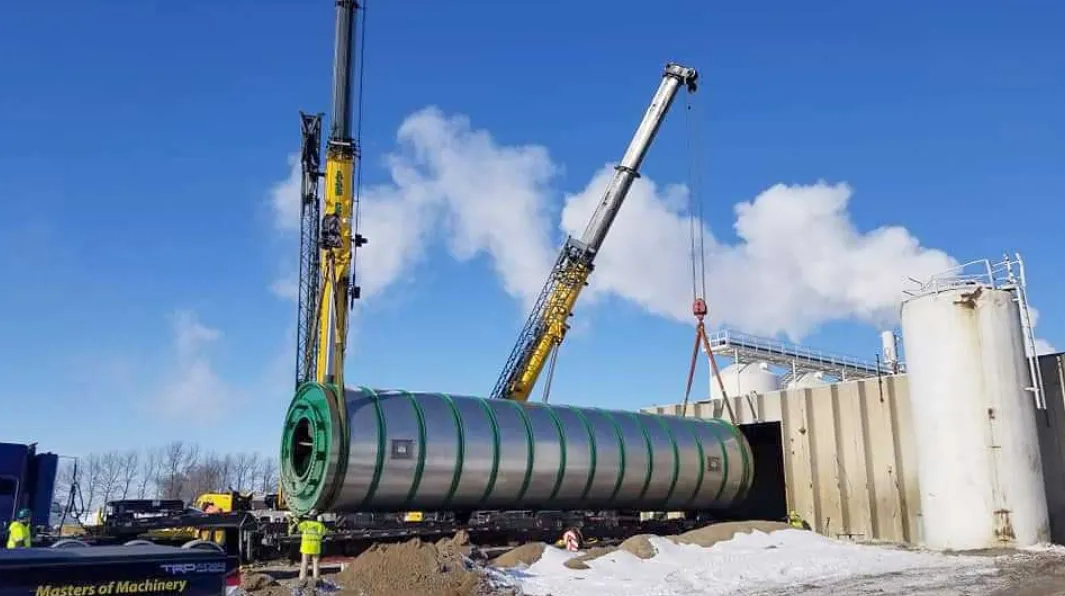
Complex lifting projects demand precise planning and execution to ensure safety. Large machinery, heavy equipment, and awkward loads require careful handling. Using proper rigging techniques prevents accidents and structural damage. Skilled professionals evaluate risks and design solutions tailored to project needs. Correct rigging methods reduce downtime, protect assets, and improve efficiency. Understanding the value of specialized rigging informs project planning and resource allocation effectively.
Specialized rigging provides stability and control for difficult lifting tasks. Each project presents unique challenges requiring specific equipment, harnesses, and support systems. St. Paul rigging ensures trained teams handle loads safely with proper techniques.
Enhanced Safety Measures
Specialized rigging reduces the risk of accidents in complex operations. Professionals use precise calculations to determine anchor points and load limits. Harnesses, slings, and cables must match the weight and size requirements exactly. Safety checks before each lift confirm stability and readiness. Team communication ensures smooth coordination and prevents mishaps. Supervisors monitor environmental conditions to adjust procedures if necessary. Adhering to rigorous safety protocols protects both personnel and equipment. Projects proceed confidently with reduced risk of unforeseen incidents.
Handling Heavy and Irregular Loads
Complex jobs often involve uneven or oversized loads difficult to manage. Standard lifting tools fail to provide adequate support and control. Specialized rigging distributes weight evenly across lifting points to prevent tipping. Load movement is carefully controlled to avoid damage during transport. Trained operators understand how to adjust rigging systems quickly. Precision ensures objects arrive intact and safely positioned. Proper handling reduces insurance claims and repair costs. Effective rigging enhances overall workflow without compromising structural integrity.
Equipment Protection and Longevity
Incorrect rigging can stress machinery and lead to premature wear or failure. Specialized systems reduce friction and uneven strain on mechanical components. Professionals select rigging hardware suitable for specific tasks to maintain equipment longevity. Inspections and maintenance of rigging gear prevent failures during lifts. Proper handling avoids scratches, dents, or deformation of valuable items. Using tailored solutions extends the life of tools and materials. Protective measures reduce downtime and replacement expenses significantly. Efficient rigging safeguards both project assets and operational efficiency.
Environmental and Site Considerations
Site conditions influence the rigging strategy for complex jobs significantly. Wind, slope, and space limitations require custom setups and specialized equipment. Experts evaluate surroundings to ensure safe anchor placement and lifting paths. Specialized rigging adapts to environmental challenges without compromising safety. Professionals consider potential obstacles and hazards when planning each lift. Equipment is positioned to maximize stability and reduce interference. Thoughtful site assessment prevents accidents and facilitates smooth project execution. Proper planning minimizes operational delays and enhances overall productivity.
Precision and Project Efficiency
Specialized rigging improves accuracy when placing large or delicate components. Controlled movements prevent misalignment and reduce correction time. Projects finish on schedule due to streamlined lift procedures. Teams coordinate rigging adjustments efficiently with minimal interruption to workflow. Precision techniques avoid repetitive handling or repositioning of heavy items. Time saved translates to cost reductions and better resource allocation. Effective rigging supports overall project quality and client satisfaction. Accuracy and control remain essential benefits of specialized lifting methods consistently.
Training and Expertise
Trained rigging personnel understand technical calculations, weight distribution, and emergency procedures. Experience allows workers to adapt quickly to unexpected challenges during lifts. Certifications confirm competency and adherence to industry standards. Teams work with confidence using specialized tools and systems. Knowledge of equipment limits prevents overloading and potential failures. Expert guidance ensures smooth communication between crane operators and ground personnel. Skilled teams complete complex tasks with minimal risk. Professional training guarantees safety, efficiency, and reliable outcomes for each project.
Specialized rigging is crucial for complex jobs in St. Paul environments. It ensures safety, precision, and equipment protection throughout demanding lifts. St. Paul rigging provides expertise, tailored tools, and trained personnel for challenging projects. Proper planning, site assessment, and professional handling reduce risks and improve efficiency. Using specialized methods prevents costly damage and operational delays. Investing in expert rigging guarantees reliable results and confidence in project execution. Complex lifting becomes safer and more effective with professional intervention consistently.