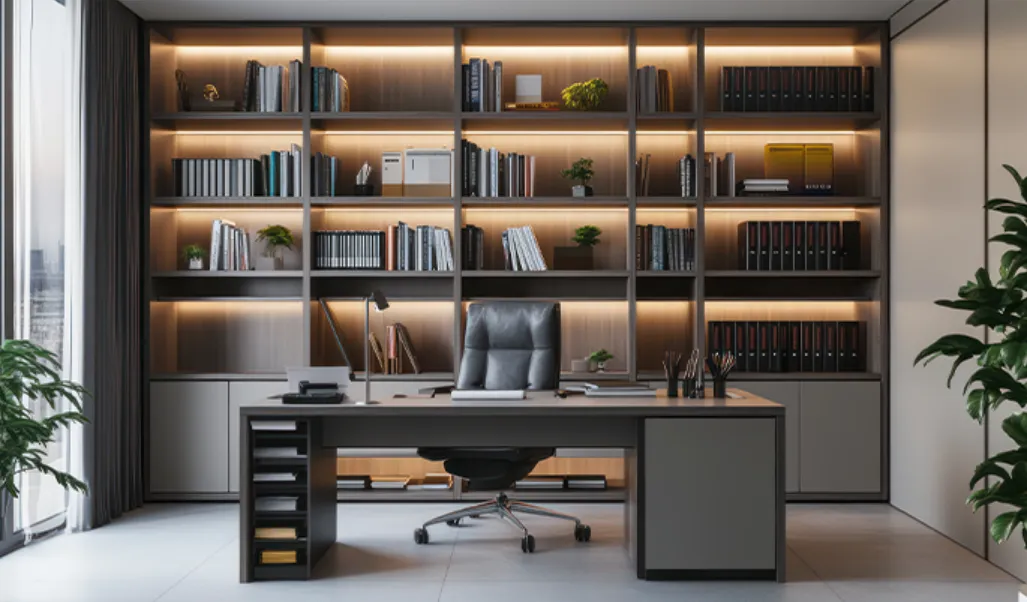
Modern workplaces are changing fast. Offices are no longer just rows of desks and cabins. They are spaces where people think, collaborate, and spend a large part of their day. As real estate costs rise and teams become more flexible, businesses are looking for design approaches that use space wisely without feeling cramped or dull. This is where minimalist modern office interior design plays an important role.
Minimalism is not about empty rooms or bare walls. It is about thoughtful planning, clarity, and purpose. When done right, minimalist interiors can make even compact offices feel open, functional, and comfortable.
Understanding Minimalist Office Design Beyond Aesthetics
Minimalist office interiors focus on removing what is unnecessary and strengthening what truly matters. The idea is simple: every element in the office should have a clear purpose. Furniture, lighting, storage, and even circulation paths are carefully planned to support daily work.
This approach helps reduce visual clutter, which in turn reduces mental fatigue. Clean lines, neutral colours, and simple forms create a calmer environment. Employees find it easier to focus when the space around them feels organised and intentional.
Minimalism also supports flexibility. As teams grow or change, a well-planned minimalist layout can adapt without major redesigns.
Space Planning That Starts With How People Work
Maximising space begins with understanding how the office is actually used. Before thinking about design styles, it is important to observe workflows. How often do teams collaborate? Do people need quiet zones? How many meetings happen daily?
Minimalist design works best when space planning is practical. Instead of fixed cabins that block movement, open layouts with clearly defined zones allow better circulation. Shared resources like printers, storage units, and meeting rooms are placed strategically to avoid wasted space.
Many modern workplaces rely on flexible seating, shared desks, or activity-based work areas. This reduces the need for excess furniture while improving space efficiency.
Furniture That Does More With Less
In minimalist offices, furniture is chosen carefully. Bulky desks, oversized storage units, and heavy partitions are replaced with sleek, functional alternatives. Workstations with built-in storage reduce the need for additional cabinets. Foldable tables or movable partitions allow spaces to serve multiple purposes.
Ergonomics remains important. Minimalist does not mean uncomfortable. Chairs, desks, and monitors should support long working hours while maintaining a clean visual profile.
Smart furniture choices are often guided by experienced office interior designers in Delhi, who understand how to balance comfort, function, and space optimization in modern workplaces.
Using Light to Open Up the Office
Lighting plays a major role in how spacious an office feels. Natural light is always preferred. Glass partitions, open layouts, and lighter colour palettes allow daylight to travel deeper into the workspace.
Artificial lighting is layered thoughtfully. Instead of heavy ceiling fixtures, minimalist offices use recessed lights, linear lighting, and task lights. This avoids visual clutter and improves energy efficiency.
Well-lit spaces not only appear larger but also support employee well-being. Proper lighting reduces eye strain and helps maintain focus throughout the day.
Storage Solutions That Stay Out of Sight
One of the biggest challenges in office design is storage. Files, supplies, and equipment can quickly make a space feel crowded if not managed properly.
Minimalist interiors rely on concealed storage. Wall-mounted cabinets, under-desk drawers, and built-in shelving keep essentials accessible without dominating the room. Digital storage also plays a role, reducing the need for large filing units.
In many corporate interiors in Delhi, designers are moving towards paper-light offices, where physical storage is minimised and digital systems take priority.
Colour Palettes That Enhance Space Perception
Colour has a strong impact on how space is perceived. Minimalist offices typically use neutral tones such as whites, greys, and soft beiges. These colours reflect light and make rooms feel more open.
This does not mean the space has to feel flat or boring. Subtle contrasts, textured finishes, and muted accent colours can add depth without overwhelming the design. Natural materials like wood or stone also bring warmth while keeping the overall look clean.
Consistency in colour across walls, furniture, and flooring helps create visual continuity, which makes the office feel larger and more cohesive.
Technology Integration Without Visual Noise
Modern offices depend heavily on technology. The challenge is integrating it without clutter. Minimalist design focuses on hiding cables, using wireless solutions, and integrating screens seamlessly into walls or furniture.
Meeting rooms benefit from clean setups where technology supports collaboration without becoming the focal point. Smart controls for lighting, climate, and presentations can be integrated discreetly, maintaining the simplicity of the space.
This balance between technology and design ensures the office remains efficient without looking overloaded.
Creating Zones Without Physical Barriers
Traditional offices often rely on solid walls and partitions to define spaces. Minimalist offices take a different approach. Zones are created through layout changes, furniture placement, lighting variations, or flooring materials.
For example, a change in carpet texture can define a collaboration zone, while focused work areas may use softer lighting. This approach maintains openness while still giving structure to the space.
By avoiding heavy partitions, offices feel more connected and spacious.
Why Minimalist Design Works Long Term
Minimalist modern office interiors are not just a trend. They are a response to evolving work cultures and space constraints. These designs are easier to maintain, more adaptable to change, and often more cost-effective in the long run.
As businesses grow or shift towards hybrid work models, minimalist layouts allow easy reconfiguration. The simplicity of design also ages well, reducing the need for frequent renovations.
Final Thoughts
Minimalist modern office interior design is about making smart choices. It prioritises clarity, functionality, and comfort while ensuring every square foot is used effectively. When planned thoughtfully, minimalist offices support productivity, employee well-being, and long-term flexibility.
For businesses planning future-ready workspaces, learning from experienced office interior designers in Noida can offer valuable insights into balancing simplicity with performance, without sacrificing comfort or character.