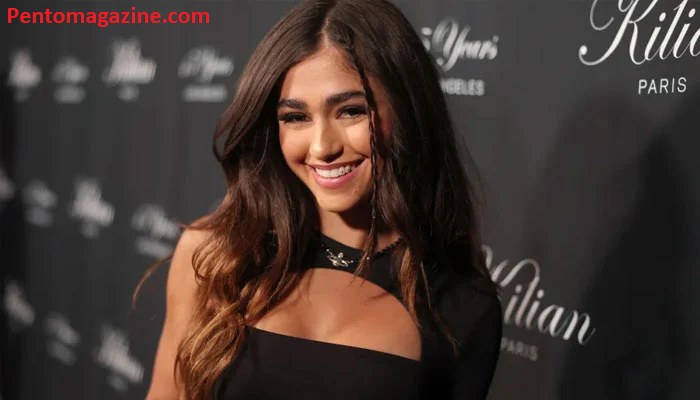
Rayna Vallandingham Nationality is American. She was born and raised in Encinitas, California. However, her ethnicity is a beautiful blend of Indian and Dutch heritage. Her mother, Joty, is of Indian origin, while her father, Jeff, has Dutch ancestry. This multicultural background has significantly shaped her identity as both a martial artist and actress, making her a unique voice in Hollywood’s entertainment industry.
Table of Contents
Quick Bio: Rayna Vallandingham at a Glance
| Attribute | Details |
|---|---|
| Full Name | Rayna Vallandingham |
| Nationality | American |
| Ethnicity | Mixed (Indian and Dutch) |
| Birthplace | Encinitas, California, USA |
| Date of Birth | January 18, 2003 |
| Age | 22 years old (as of 2025) |
| Mother’s Origin | Indian (Joty Vallandingham) |
| Father’s Origin | Dutch (Jeff Vallandingham) |
| Cultural Background | Multicultural (South Asian and European) |
| Current Residence | California, USA |
| Notable Role | Zara Malik in Netflix’s Cobra Kai |
| Martial Arts Achievement | 13-time World Champion, 4th-degree black belt |
Rayna Vallandingham’s Nationality and Ethnicity Explained
Understanding where Rayna Vallandingham is from requires looking at both her nationality and her rich ethnic heritage. Many fans searching for information about Rayna Vallandingham’s nationality want to know not just where she was born, but also about her family’s cultural roots that make her story so compelling.
American by Nationality
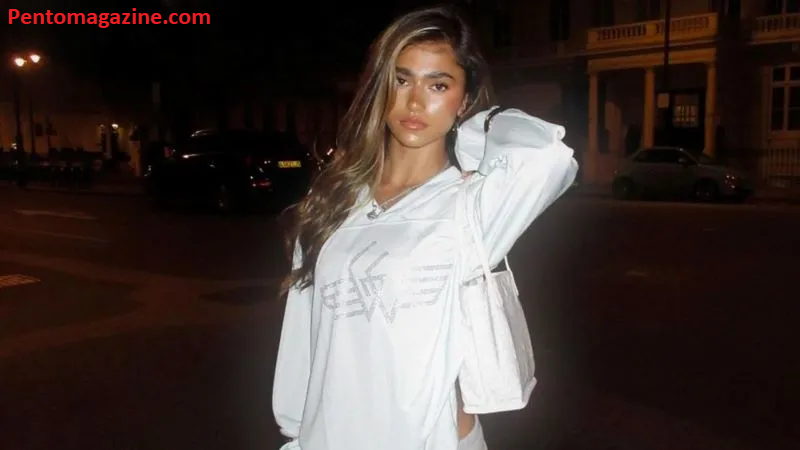
Rayna Vallandingham is American—there’s no question about that. Born on January 18, 2003, in Encinitas, California, she holds American citizenship and has spent her entire life in the United States. Her birthplace in the coastal San Diego County city provided the perfect backdrop for her remarkable journey from a shy toddler to a world-renowned martial artist and Netflix star.
Rayna Vallandingham’s California upbringing gave her access to top-tier martial arts training facilities and eventually opened doors to Hollywood opportunities. As an American martial artist, she has represented the United States in numerous international competitions, bringing home an impressive 13 World Championship titles before she even turned 20.
Her American identity is central to who she is today. She embodies the American dream—someone who worked relentlessly from age two to become the youngest person ever to win multiple world championships. Her success story resonates with countless young Americans who see themselves in her determination and grit.
The American Taekwondo Association, where she earned her fourth-degree black belt, recognized her exceptional talent early on and made her a brand ambassador. This role solidified her position as one of America’s most accomplished young martial artists and a face of American taekwondo excellence on the global stage.
Indian and Dutch Ethnic Heritage
While Rayna Vallandingham is American by nationality, her ethnicity tells a more complex and fascinating story. She comes from mixed heritage, with roots tracing back to two distinct continents: Asia and Europe. This multicultural background has given her a unique perspective that influences everything from her personal identity to her professional career choices.
Rayna Vallandingham’s Indian origin comes through her mother’s side of the family. Her mother, Joty, who is of Indian descent, has been a constant source of support throughout Rayna’s martial arts journey. Growing up with Indian cultural influences meant exposure to values like discipline, respect for elders, and the importance of family—principles that align perfectly with martial arts philosophy.
On her father’s side, Rayna Vallandingham has Dutch heritage. Her father, Jeff, brings Dutch ancestry into the family’s cultural mix. The Netherlands connection adds a European dimension to her identity, though this aspect of her background is less prominently discussed in public forums.
This Indian and Dutch combination makes Rayna Vallandingham’s race and ethnicity beautifully diverse. She represents the growing number of Americans who don’t fit into single ethnic categories but instead celebrate their mixed heritage as a strength. Her cultural background is a testament to America’s melting pot identity, where different cultures blend to create something uniquely American.
Understanding Rayna Vallandingham’s ancestry helps explain the depth of character she brings to her roles. As Zara Malik in Netflix’s Cobra Kai Season 6, she became the first Indian-American female martial artist to play a major antagonist in the beloved series—a groundbreaking moment for representation in martial arts entertainment.
Family Background and Cultural Roots
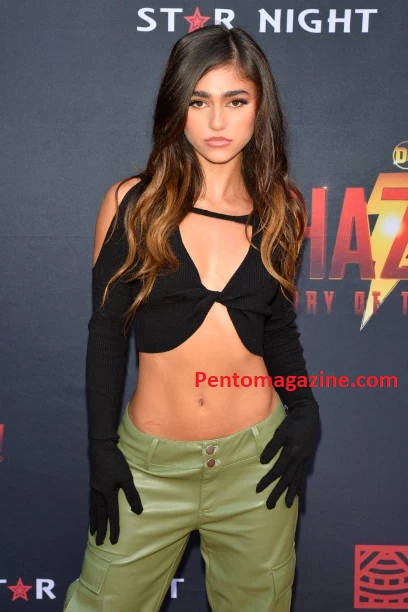
The story of Rayna Vallandingham’s nationality and identity cannot be told without understanding her family. Her parents, Joty and Jeff Vallandingham, created a home environment that celebrated both sides of their daughter’s heritage while nurturing her extraordinary martial arts talents.
Her Mother’s Indian Origin
Rayna Vallandingham’s mother, Joty, represents the Indian side of her heritage. While specific details about Joty’s exact regional origins within India remain private, her influence on Rayna’s upbringing has been profound and visible throughout the young athlete’s career.
Joty Vallandingham instilled values deeply rooted in Indian culture: dedication, perseverance, and family loyalty. These principles align naturally with martial arts training, where discipline and respect form the foundation of practice. Rayna has spoken in interviews about how her mother’s support never wavered, even when training required sacrificing normal childhood experiences like holidays and social gatherings.
The Indian cultural background brought traditions into their California home that enriched Rayna’s understanding of her heritage. From food to festivals, from family values to educational priorities, Joty ensured her daughter understood and appreciated her South Asian roots even while growing up in American society.
Indian-American representation in martial arts and entertainment remains limited, making Rayna’s success particularly significant. Her mother’s Indian origin contributes to this representation, showing young Indian-American girls that they can excel in fields traditionally dominated by other ethnic groups. When Rayna performs martial arts or acts in Cobra Kai, she carries her mother’s heritage with her, breaking stereotypes and opening doors.
Joty’s role extended beyond cultural transmission. She became Rayna’s biggest cheerleader, attending competitions, supporting intense training schedules, and helping her daughter balance education with athletic pursuits. The multicultural upbringing Joty helped create gave Rayna tools to navigate different cultural spaces with ease and confidence.
The Indian community has embraced Rayna as one of their own, celebrating her achievements and seeing her success as representative of what Indian-American youth can accomplish when given support and opportunities. Her visibility in Netflix programming introduces her Indian heritage to millions of viewers who might otherwise have limited exposure to South Asian martial artists.
Her Father’s Dutch Background
Rayna Vallandingham’s father, Jeff, brings Dutch heritage into the family equation. While less publicly discussed than her Indian roots, Jeff’s Dutch ancestry represents an important part of Rayna’s complete identity and the European side of her multicultural background.
Jeff Vallandingham’s Dutch connection links the family to the Netherlands, a country known for its progressive values, strong work ethic, and emphasis on individual achievement—traits that align with Rayna’s own character. Dutch culture values directness, pragmatism, and egalitarianism, characteristics that may have influenced the family’s approach to Rayna’s unconventional career path.
Jeff played an equally crucial role in Rayna’s development as a martial artist. He noticed her exceptional balance as a baby and supported the decision to begin taekwondo training at just two years old. His encouragement, combined with Joty’s support, created an environment where Rayna’s talents could flourish without limitations.
The Dutch cultural influence in Rayna’s upbringing may be more subtle than the Indian elements, but it’s no less significant. Dutch values around education, hard work, and individual responsibility complemented the Indian emphasis on family and discipline, creating a unique blend that shaped Rayna’s worldview.
Growing up in a household that honored both Indian and Dutch traditions gave Rayna access to diverse perspectives. This mixed heritage taught her to appreciate different cultural approaches to life, work, and relationships—skills that serve her well in the diverse environments of martial arts competitions and Hollywood film sets.
Jeff and Joty Vallandingham made deliberate choices to ensure their daughter understood both sides of her heritage. They created a home where cultural diversity wasn’t just accepted but celebrated. This foundation gave Rayna the confidence to embrace her multicultural identity publicly and use it as a platform for encouraging others.
The combination of Indian and Dutch parenting styles—blending South Asian family-centricity with European individualism—created a unique approach that allowed Rayna to pursue extraordinarily demanding goals while maintaining strong family connections. Both parents understood that supporting a world-class athlete required sacrifices, and they made those sacrifices together.
Growing Up in Encinitas, California
Rayna Vallandingham’s birthplace, Encinitas, California, played a crucial role in shaping her into the person she is today. This coastal city in San Diego County provided the perfect environment for a mixed-heritage child to grow up embracing both her Indian and Dutch roots while developing her identity as an American martial artist.
Encinitas is known for its laid-back surf culture, artistic community, and progressive attitudes—a place where diversity is celebrated rather than merely tolerated. For young Rayna, growing up in this environment meant her multicultural background was seen as an asset, not something that made her different or excluded.
The city’s proximity to Los Angeles (about 100 miles north) proved invaluable as Rayna’s career expanded beyond martial arts into entertainment. She could attend auditions, filming sessions, and industry meetings without relocating, maintaining her connection to her hometown and support system.
California’s diverse population meant Rayna grew up surrounded by people from countless ethnic backgrounds. This exposure helped normalize her mixed heritage and gave her a broad perspective on cultural identity. She wasn’t the only child navigating multiple cultural influences—she was part of a generation of multicultural Americans redefining what it means to be American.
The martial arts community in Southern California ranks among the best in the world. Access to elite training facilities, experienced coaches like Peter and Jean Lopez, and competitive opportunities shaped Rayna’s development. Starting at age two, she could train consistently with top instructors who recognized and nurtured her exceptional talent.
Growing up as a mixed-race child in California had its challenges. Rayna has mentioned being extremely shy as a young child, possibly related to navigating her complex identity. Her grandfather’s suggestion to try taekwondo as a confidence-building exercise proved transformative, helping her find her voice and sense of self through martial arts.
The Vallandingham family’s decision to homeschool Rayna during peak competition years was easier in California, where homeschooling is well-established and legally straightforward. This flexibility allowed her to maintain up to nine hours of daily training while still receiving quality education—a balance that would have been difficult in traditional school settings.
Encinitas’s supportive community embraced Rayna as a hometown hero as her accomplishments mounted. Local businesses, schools, and martial arts studios followed her career, celebrating her victories and providing encouragement during challenging times. This community support reinforced her connection to her California roots.
The climate in Southern California enabled year-round outdoor training, contributing to Rayna’s physical development and mental well-being. She incorporated activities like hiking into her training regimen, taking advantage of the natural beauty surrounding Encinitas to maintain balance and perspective.
Living in California also meant exposure to the entertainment industry from a young age. Hollywood’s influence permeates Southern California culture, making the transition from martial arts to acting feel more natural and accessible. Rayna could see paths to entertainment careers that might have seemed impossible elsewhere.
Her American identity, shaped significantly by her California upbringing, combines the best of both her parental heritages with the opportunities and values of West Coast American culture. She’s simultaneously deeply rooted in her Indian and Dutch heritage while being thoroughly, unmistakably Californian and American.
How Her Multicultural Background Influenced Her Career
Rayna Vallandingham’s cultural background has been far more than interesting biographical detail—it’s been a driving force behind her success and a unique selling point in her professional career. Her mixed heritage influences how she approaches martial arts, acting, and public advocacy in ways that set her apart from competitors.
The Indian cultural values instilled by her mother, Joty, emphasize discipline, respect, and lifelong learning. These principles align perfectly with martial arts philosophy, particularly taekwondo, which emphasizes not just physical technique but character development. Rayna’s ability to embrace the mental and spiritual aspects of martial arts, not just the athletic components, gave her an edge in competition.
Her 13-time World Championship record reflects not just natural talent but the kind of sustained dedication associated with both Indian and Dutch cultural work ethics. The Indian emphasis on educational and professional excellence combined with Dutch pragmatism and persistence created a powerful motivational foundation.
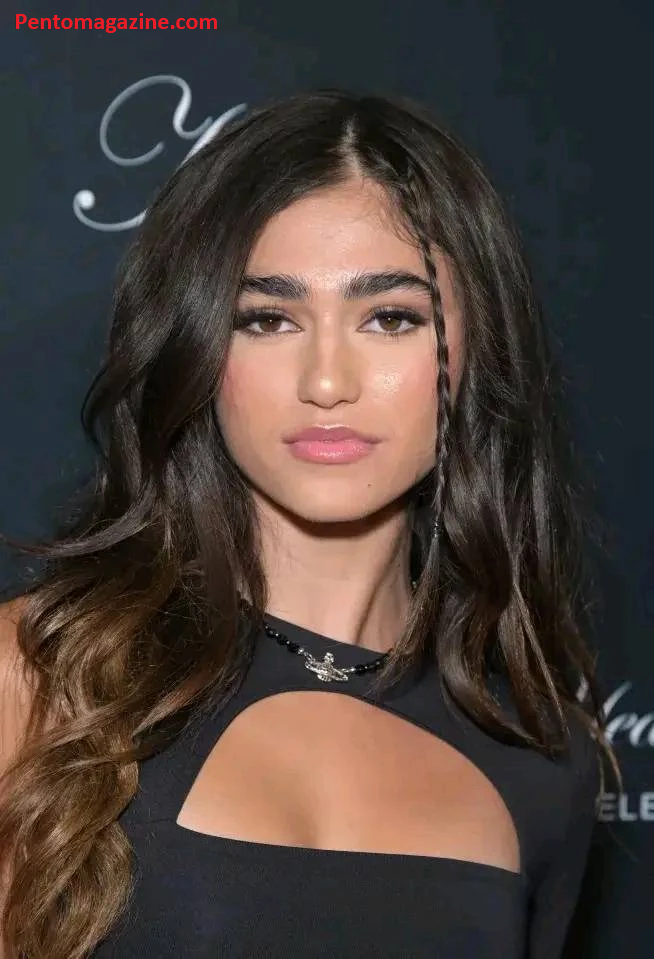
Rayna Vallandingham’s Indian-American identity became particularly significant when she landed the role of Zara Malik in Cobra Kai. As the first Indian-American female martial artist to play a major antagonist in the Netflix series, she brought authentic representation to a show with a massive global audience. Her casting wasn’t just about martial arts skills—it was about bringing genuine cultural diversity to the franchise.
Playing Zara Malik allowed Rayna to embody a complex character who reflects aspects of her own experience as a competitive martial artist. The role showcased that Indian-American women can be fierce, athletic, and central to action narratives—not relegated to stereotypical supporting roles. This representation matters enormously to young viewers who rarely see themselves reflected in martial arts entertainment.
Her multicultural upbringing gave her unique insights into navigating different cultural spaces. She’s equally comfortable in traditional Indian settings, Dutch-influenced European contexts, American entertainment industry spaces, and the international martial arts community. This cultural fluidity is increasingly valuable in globalized entertainment.
The “kick like a girl” philosophy that Rayna champions connects directly to her experience growing up in a household that celebrated both feminine and warrior identities. Her mother’s Indian background, where strong female figures exist throughout mythology and history, combined with Dutch gender equality values, gave her cultural permission to be both gracefully feminine and powerfully athletic.
Rayna Vallandingham’s mixed heritage makes her relatable to a growing demographic of multicultural Americans who don’t fit into single ethnic categories. She represents the future of American identity—complex, multifaceted, and drawing strength from multiple cultural traditions rather than being limited by them.
Her grandfather’s role in her martial arts journey adds another layer to this cultural story. His encouragement to start taekwondo training at age two came from understanding that martial arts could build confidence and cultural pride. This cross-generational cultural transmission shows how families maintain cultural connections while adapting to American life.
The American Taekwondo Association recognized Rayna not just as a talented athlete but as someone who could represent the organization’s values to diverse audiences. Her ability to speak to different communities, drawing on her various cultural backgrounds, made her an ideal ambassador.
In interviews and public appearances, Rayna speaks thoughtfully about identity, representation, and breaking barriers. Her multicultural background gives her credibility and perspective on these topics that resonates with audiences navigating similar identity questions. She’s not theorizing about diversity—she’s living it.
Rayna’s ancestry—combining Indian and Dutch bloodlines in an American context—positions her perfectly for roles that require authentic cultural complexity. As entertainment moves toward more nuanced representation, her genuine mixed-race identity becomes increasingly valuable rather than being seen as limiting.
Her success challenges stereotypes about what Indian-American women can do and be. She’s athletic, competitive, successful in entertainment, and unapologetically strong—qualities that don’t fit limiting cultural stereotypes. By succeeding on her own terms, she’s expanding possibilities for the next generation.
The influence of her Dutch heritage, while less publicly discussed, contributes to her straightforward communication style and her practical approach to career management. Dutch cultural values around efficiency, honesty, and egalitarianism complement the Indian emphasis on achievement and family honor.
Rayna Vallandingham’s cultural background also informed her approach to social media influence. She uses platforms like TikTok (where she has over 1 million followers) to share authentic glimpses into her life, creating content that reflects her diverse identity. This authenticity resonates with audiences tired of curated, inauthentic influencer content.
Her partnership with brands like Alo works partly because she genuinely embodies the wellness-meets-performance lifestyle they represent. Her multicultural approach to health, fitness, and self-care draws from multiple traditions, making her endorsements feel genuine rather than purely commercial.
Working with the Bruce Lee Foundation connects Rayna to the legacy of perhaps the most famous Asian-American martial artist in history. Like Lee, she’s breaking barriers and expanding representation in entertainment. Her Indian-American identity adds a new dimension to Asian representation in martial arts media.
The trajectory from Encinitas child to Netflix star to American Taekwondo Association ambassador shows how Rayna Vallandingham’s nationality (American) and ethnicity (Indian and Dutch) work together rather than creating conflict. She’s found ways to honor all aspects of her identity while building a uniquely successful career.
Her anti-bullying advocacy, particularly speaking to young people about finding confidence through martial arts, draws directly from her own childhood experience. Growing up mixed-race and shy, she understands feeling different or not fitting in. Her message that strength comes from embracing your authentic self—including your cultural background—carries weight because it’s rooted in lived experience.
Rayna’s impact extends beyond her personal achievements. By succeeding visibly and vocally as a multicultural athlete and actress, she’s changing industry perceptions about casting, representation, and audience appetites for diversity. Her career demonstrates that authentic representation isn’t just the right thing to do—it’s also good business.
FAQs About Rayna Vallandingham’s Nationality
Q: What is Rayna Vallandingham’s nationality?
Rayna Vallandingham is American. She was born in Encinitas, California, on January 18, 2003, and holds United States citizenship. Her nationality is American, though her ethnicity includes both Indian and Dutch heritage.
Q: What ethnicity is Rayna Vallandingham?
Rayna Vallandingham’s ethnicity is mixed Indian and Dutch. Her mother, Joty, is of Indian origin, while her father, Jeff, has Dutch ancestry. This multicultural background makes her part of the growing population of mixed-heritage Americans.
Q: Where is Rayna Vallandingham from?
Rayna Vallandingham is from Encinitas, California. This coastal city in San Diego County is her birthplace and where she grew up training in martial arts. She continues to maintain strong connections to her California roots while pursuing her entertainment career.
Q: Is Rayna Vallandingham Indian?
Rayna is part Indian through her mother’s side. While she’s American by nationality, her Indian heritage is an important part of her identity. She’s often described as Indian-American, reflecting both her citizenship and ethnic background.
Q: What is Rayna Vallandingham’s cultural background?
Rayna Vallandingham’s cultural background blends Indian, Dutch, and American influences. Growing up in a multicultural household in California, she was exposed to traditions and values from both her mother’s Indian family and her father’s Dutch family, all within an American context.
Q: Who are Rayna Vallandingham’s parents?
Rayna Vallandingham’s parents are Joty Vallandingham (Indian mother) and Jeff Vallandingham (Dutch father). Both parents have been instrumental in supporting her martial arts career from age two, making significant sacrifices to enable her training and competition schedule.
Q: How does Rayna Vallandingham’s heritage influence her career?
Her mixed heritage has significantly influenced her career in multiple ways. As the first Indian-American female martial artist to play a major role in Cobra Kai, she brings important representation to the series. Her multicultural background also gives her unique perspectives that inform her “kick like a girl” advocacy and her approach to both martial arts and acting.
Q: What role does Rayna play in Cobra Kai?
Rayna plays Zara Malik, a formidable martial artist and social media influencer who serves as an antagonist in Cobra Kai Season 6 on Netflix. This role is significant as it marks the first time an Indian-American woman has played a major martial arts antagonist in the beloved series.
Q: Where was Rayna Vallandingham born?
Rayna Vallandingham’s birthplace is Encinitas, California. This Southern California coastal community provided the ideal environment for her development as both a martial artist and eventually an actress, with access to top training facilities and proximity to Los Angeles.
Q: Is Rayna Vallandingham mixed race?
Yes, Rayna Vallandingham is mixed race, with Indian and Dutch ancestry. Her mixed heritage reflects the increasingly diverse nature of American identity and has become an important aspect of her public identity and advocacy work.
Conclusion
Rayna Vallandingham’s nationality tells a distinctly American story—one that reflects the beautiful complexity of modern American identity. While she is unquestionably American by nationality, born and raised in Encinitas, California, her ethnicity encompasses a rich tapestry of Indian and Dutch heritage that makes her story even more compelling.
Understanding where Rayna Vallandingham is from requires appreciating multiple dimensions of identity. She’s from California, from an Indian-American mother and Dutch-American father, from a family that valued both cultural heritage and American opportunity, and from a generation comfortable embracing complex, multicultural identities.
Her parents, Joty and Jeff Vallandingham, created an environment where cultural diversity wasn’t just accepted but celebrated as a strength. This foundation enabled Rayna to become not just a 13-time World Champion martial artist and Netflix actress, but also a powerful voice for representation and empowerment.
Rayna Vallandingham’s cultural background—her Indian and Dutch ancestry combined with her American upbringing—has shaped every aspect of her remarkable career. From her disciplined approach to taekwondo to her groundbreaking role as Zara Malik in Cobra Kai, her mixed heritage informs her choices, perspectives, and impact.
As she continues breaking barriers in both martial arts and entertainment, Rayna Vallandingham stands as proof that embracing your complete identity—all aspects of your nationality, ethnicity, and cultural background—isn’t just personally fulfilling but professionally powerful. Her story inspires countless young people, particularly mixed-heritage and Indian-American youth, to pursue their dreams without limiting themselves to narrow cultural expectations.
The answer to “What is Rayna Vallandingham nationality?” is simple: she’s American. But the complete answer to “Who is Rayna Vallandingham?” is far richer, encompassing her Indian mother’s heritage, her Dutch father’s ancestry, her California upbringing, and her unique path from shy toddler to world champion to Hollywood star—a truly American journey.