Electrical systems work quietly behind the walls, yet they power almost every moment at home. Lights, appliances, and devices depend on wiring that many homeowners rarely think about. Small issues can stay hidden for years before they cause real trouble. This article explains the electrical safety checks every home should schedule. Each section focuses on a specific check that helps prevent hazards, protect property, and keep daily life running smoothly without unnecessary risk.
Many homeowners look at examples such as Faulkner Electric when learning what professional electrical safety checks usually cover. Understanding these checks makes it easier to spot warning signs early and schedule inspections at the right time. The sections below break down the most important checks every home should have on the calendar.
Main Electrical Panel Inspection
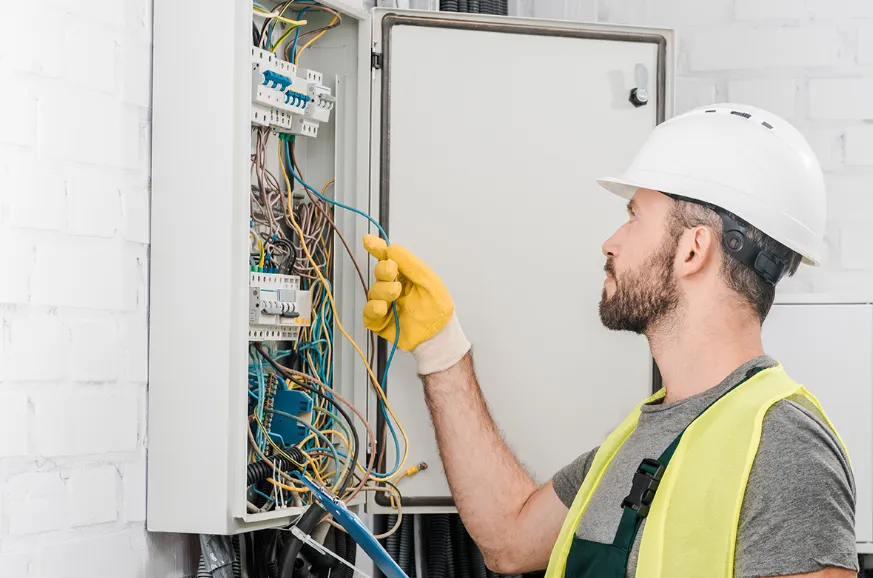
The electrical panel controls power flow throughout the home. A proper inspection checks for loose connections, corrosion, and outdated components. Panels under stress can overheat and trip breakers without warning. An inspection helps confirm that circuits handle current loads safely. Labels also matter since clear markings reduce mistakes during emergencies. This check supports safe power distribution and helps avoid sudden outages that disrupt daily routines.
Outlet and Switch Condition Review
Outlets and switches show early signs of electrical wear. Warm surfaces, sparks, or loose fittings signal trouble. A condition review checks grounding and connection strength. It also ensures outlets match modern safety standards. Faulty outlets raise the risk of shock or fire. Switches should operate smoothly without buzzing sounds. Addressing small issues here helps protect people and devices across the home.
Key items checked include
- Loose or cracked outlets
- Improper grounding
- Discoloration or heat marks
Wiring Assessment for Older Homes
Older homes typically carry wiring that no longer meets current needs. A wiring assessment reviews insulation condition and material type. Some older wiring struggles with modern appliance loads. Frayed insulation increases fire risk behind walls. This check helps identify areas that need updates. It also ensures that added outlets or fixtures do not overload existing lines. Safe wiring supports long-term home reliability.
GFCI and AFCI Protection Check
Protective outlets reduce injury risk. GFCI outlets prevent shocks in kitchens, bathrooms, and outdoor areas. AFCI protection reduces fire risk from arc faults. A safety check confirms these devices function correctly. Test buttons should trip the power instantly. Faulty protection devices need replacement. This inspection supports safety in areas where moisture or wiring stress exists.
Areas that require protection
- Bathrooms and kitchens
- Garages and basements
- Outdoor outlets
Lighting and Fixture Safety Review
Light fixtures handle both electricity and heat. A safety review checks wiring connections and fixture stability. Loose fixtures, strain wire,s and increase fire risk. Proper bulb type matters since the wrong wattage causes overheating. This check also confirms that dimmers and controls work correctly. Secure and compatible fixtures help maintain safe lighting throughout the home.
Surge Protection and Load Balance Review
Power surges damage electronics and appliances. A surge protection review checks existing safeguards. Homes benefit from balanced electrical loads across circuits. Overloaded circuits trip breakers and strain wiring. This check helps distribute power evenly. It also protects sensitive devices from voltage spikes. Balanced systems reduce wear and extend equipment life.
Electrical safety checks protect more than wiring. They support comfort, reliability, and peace of mind. Panel inspections, outlet reviews, wiring assessments, protective devices, fixture checks, and load balance reviews all play a role. Homeowners who follow examples from providers like Faulkner Electric gain a clearer view of what safe systems require. Scheduling these checks helps homes stay secure and prepared for everyday use.