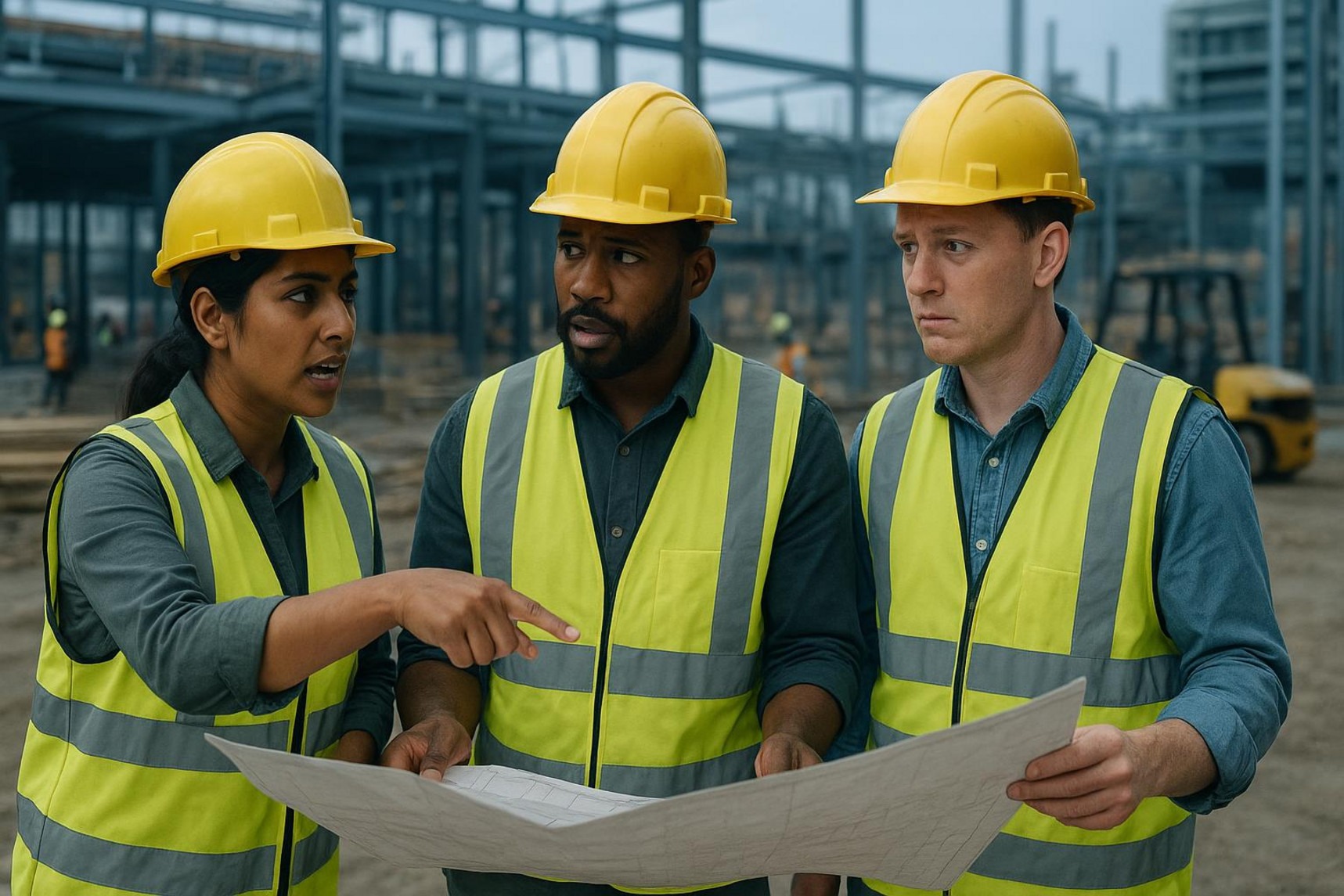
Construction is fast-paced and demanding. Success is not just about plans, equipment, and materials-it depends on people working well together. So how do construction firms improve workforce communication and culture to build stronger teams and run projects better?
It takes a mix of clear information sharing, a supportive work environment, and smart use of both personal relationships and modern tools. When firms invest in how teams talk to each other and what it feels like to work there, they can turn common problems into real strengths.
Projects tend to run more smoothly, stay safer, and make more money. Because these internal systems matter so much, many companies now bring in outside help to improve them, knowing that strong internal communications and employer branding support long-term results. If you want to build a stronger plan, you can explore services like https://builtfor.studio/services/internal-communications-and-employer-branding/.
Construction projects include many different roles, tight schedules, and decisions that carry big risks. Good communication and a healthy company culture are not “nice extras.” They hold everything together-every step, every handoff, and every final check.
Without them, even well-planned projects can fall apart due to confusion and lack of buy-in. Understanding how much these areas affect results is the first step to building a stronger, more stable firm.
Why Communication and Culture Matter in Construction Firms
Communication and culture have a huge effect in construction. They shape whether a project moves forward smoothly or gets stuck in constant issues. They affect cost, timelines, safety, and how people feel at work. In an industry that depends on timing and coordination, these are some of the biggest drivers of success.
Impact on Project Outcomes and Productivity
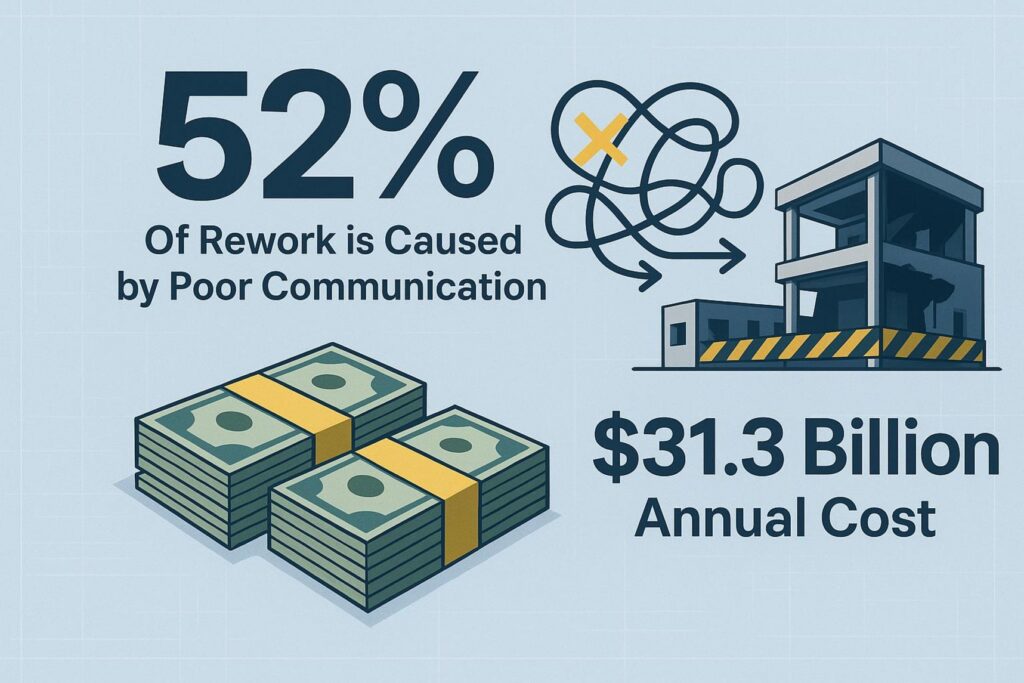
Poor communication in construction is expensive. Research such as the PlanGrid and FMI survey found that bad communication causes 52% of rework on construction projects. Across the industry, that adds up to $31.3 billion per year in labor and materials. When directions are unclear or details arrive late, teams lose time, mistakes happen, and schedules slip.
On the other hand, clear and steady communication helps work move faster. Better coordination saves time and reduces waste, which improves satisfaction for clients and workers alike. When everyone understands requirements early, there is less rework and fewer budget surprises, and the project is more likely to finish on time.
Connection to Employee Engagement and Retention
Communication and culture also shape how people feel about their jobs. When workers feel listened to and respected, they are more engaged. Engagement improves morale and usually leads to better performance. In 2026, many workers want jobs where they can do meaningful work and also feel supported by their employer.
A workplace that supports open conversation, real listening, and mutual respect helps people feel connected. That feeling reduces turnover and builds loyalty. Firms that focus on employee needs often gain both better output and a workforce that feels appreciated.
Influence on Safety and Risk Reduction
In construction, safety must come first. Projects are safer when communication is clear. When safety rules and responsibilities are explained well, accidents become less likely. Misunderstandings-especially under pressure-can create serious danger, which is why communication is a key part of risk control.
Leaders like Alex Parker, founder of Parker Rock ‘N’ Dirt, have strong reasons to focus on safety after experiencing a serious trench accident when he was young. His approach shows how a safety-focused culture, regular training, and clear talk about hazards help protect workers. When everyone understands risks and emergency steps, the whole crew can act quickly and correctly, improving safety and meeting regulations.
Role in Fostering Innovation and Collaboration
When communication is strong, collaboration improves, and new ideas come out more easily. Teams that listen well and speak openly can work toward shared goals with fewer roadblocks. People are more likely to raise concerns, report issues, and suggest better ways to do the job when they know they won’t be ignored.
Diversity and inclusion also support better problem-solving. Different backgrounds and viewpoints can lead to better ideas and faster fixes. When firms welcome input from a wide range of people, they gain more creativity and practical insight, which helps teams adapt and deliver stronger results.
Common Challenges Construction Firms Face with Workforce Communication
Even though communication is so important, construction companies often face special problems that make it harder. The size of projects, the number of groups involved, and the changing job site environment can all get in the way of clear information sharing.
Fragmented Teams Across Projects and Sites
Construction work is often split across many groups. A large project may include architects, engineers, general contractors, subcontractors, vendors, and inspectors. Each group has its own tasks and often uses different ways to communicate, which can lead to gaps and confusion.
Physical distance adds another layer. Workers may be spread across sites, trailers, offices, and warehouses. This separation makes it harder to share updates quickly and consistently. When information does not reach the right people in time, projects can slow down and costs can rise.
Language and Cultural Barriers
Language differences are a major issue on many job sites. Forbes reported that 67% of employers deal with misunderstandings due to language barriers. In construction, that can hurt productivity and create serious safety problems. If workers do not fully understand instructions or safety steps, mistakes and accidents become more likely.
Cultural differences also matter. People may have different comfort levels with speaking up, different views on safety rules, or different expectations about authority. If a company does not address these differences, it can lead to tension, missed warnings, and weaker teamwork.
Hierarchy and Chain of Command Issues
Most construction teams rely on a clear chain of command. This structure is useful, but it can also slow down communication. If decisions take too long or details do not travel smoothly through the chain, deadlines can be missed and work can stall.
Problems also come up when roles and communication paths are not clearly explained. Construction plans and site conditions change often, so workers need to know who to contact for each type of question or update. Without that clarity, small problems can take longer to solve.
Use of Technical Jargon and Complex Instructions
Construction has a lot of specialized terms. Words like “ponding” (standing water on a flat roof) or “pickling” (a wood finishing method) may be normal for experts but confusing for others. When terms are misunderstood, time is wasted and mistakes can happen.
Clear communication often means using simpler language when possible. If technical terms are required, adding a quick explanation helps keep everyone aligned-especially when different trades are working together or when clients are involved.
Limited Access to Real-Time Information
Construction decisions often need to happen quickly. If crews do not get updated plans, approvals, or change orders in time, work can get delayed. People may use old documents without realizing it, leading to errors, rework, and wasted materials.
This is even harder because many construction workers are “non-desk employees.” They are part of the 80% of the global workforce without daily access to computers, work email, or intranets. When some people get updates and others do not, mistakes and safety risks increase.
Insufficient Training in Communication Tools
Many firms use project software and digital tools, but those tools only help if people know how to use them. Some communication problems happen because teams do not understand how to share updates, record changes, or document issues correctly using the systems provided.
Without training, tools are used inconsistently or ignored. Regular training helps teams use platforms properly and also strengthens basic skills like writing clearly, speaking in meetings, and listening well.
Benefits of Improving Workforce Communication and Culture
Putting effort into better communication and a healthier culture does more than keep a project on schedule. It improves how the whole company runs, helping safety, output, and job satisfaction grow together.
Fewer Mistakes, Rework, and Project Delays
Better communication quickly leads to fewer errors and less rework. Since poor communication causes 52% of rework, even small improvements can save a lot of money. Clear, timely updates reduce the chances that teams build the wrong thing or miss a change.
When tasks and changes are understood early, mistakes drop. Strong communication tools and habits can cut project delays by up to 30%, improving results and protecting profits. This saves money, time, and energy.
Higher Morale and Employee Loyalty
Open communication helps people feel respected. When workers feel heard and supported, morale improves. That leads to higher job satisfaction and stronger loyalty. People are less likely to leave when they feel the company cares.
Parker Rock ‘N’ Dirt has shared that their low turnover says a lot: employees stay because the company respects their personal lives and makes adjustments when needed. That loyalty creates a stronger team and better work, which feeds business success.
Increased On-Site Safety
Clear communication supports safe work. When safety rules, hazards, and emergency steps are shared often and in a consistent way, workers are better prepared. This supports compliance and builds shared responsibility.
Keeping everyone updated on hazards and roles lowers the chance of incidents. It also reduces delays, injury costs, and legal risk. A site with strong communication is usually a safer site.
Stronger Team Cohesion and Accountability
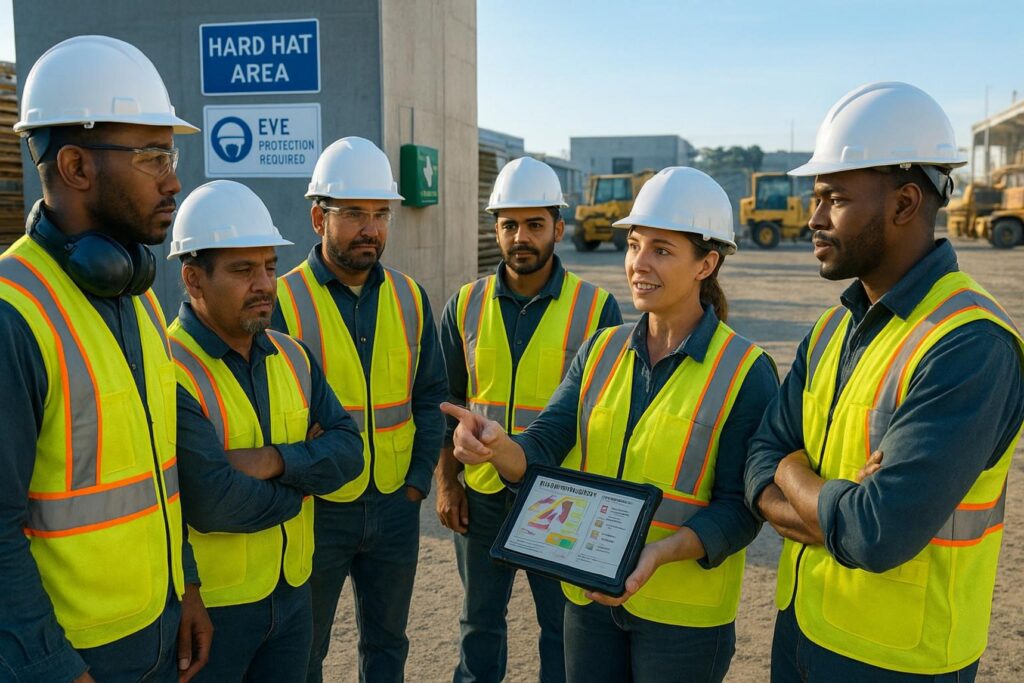
Teams work better when people can speak up and listen to each other. When workers share feedback and ideas freely, it builds a sense of “we’re in this together.” That improves problem-solving and helps teams handle pressure.
Clear roles and reporting paths also raise accountability. When responsibilities are clear and information moves the right way, confusion drops. Teams stay aligned and act more like one unit.
Better Client Relationships and Reputation
Strong internal communication often leads to better client experiences. Projects that run smoothly, with fewer delays and less rework, make clients happier. Clients notice transparency and clear coordination.
As Alex Parker says, “Your culture is your reputation.” When employees feel satisfied and supported, that shows in the quality of work and the way the company is seen in the community. A strong reputation helps attract good workers and win future projects — and translating that reputation into a visible, consistent brand is exactly what BuiltFor Studio helps construction companies do.
Boosted Productivity and Innovation
When communication is open and trust is high, productivity rises. Research shows teams with trust and open communication can be 25% more productive and may have lower turnover. When people feel supported, they do better work, often faster and with fewer issues-like the results seen at Parker Rock ‘N’ Dirt.
Workplaces that welcome ideas also create more innovation. When people feel safe suggesting changes or challenging old habits, better methods appear. That keeps a firm competitive in an industry that keeps changing.
Key Actions to Improve Communication and Culture in Construction Firms
Knowing communication and culture matter is one thing. Making improvements requires specific steps. Construction firms can use the actions below to improve how people communicate and what it feels like to work there.
Prioritize Effective Onboarding and Integration of New Hires
A company’s culture starts showing itself on day one. Strong onboarding helps new hires understand expectations and feel like part of the team quickly. This is more than forms and policies-it includes clear orientation, pairing people with mentors, and helping them build early relationships.
C.W. Driver uses career rotation programs that let junior staff experience estimating, field operations, and project management. This helps people build skills, find what they enjoy, and connect to the company’s work style. When new employees feel supported early, they are more likely to stay and perform well.
Create Structured Communication Plans
Without structure, confusion spreads. To reduce the communication problems caused by fragmented teams, firms need clear communication plans. These plans should clearly explain how information moves, how decisions get made, and how the field and office share updates. Roles, reporting lines, and escalation steps should be easy to understand.
A strong communication plan may include:
- Key contact lists and backup contacts
- Emergency communication steps
- Rules for updates (daily, weekly, as needed)
- Steps to fix communication breakdowns
It should also fit different groups (clients, subcontractors, crews), including how often and in what format they receive updates. With a clear plan, teams stay aligned and projects move with fewer surprises.
Establish Transparent Policies and Procedures
Trust grows when people understand how decisions are made and what rules apply. Clear policies and procedures reduce guesswork and make expectations easier to follow. An open-door policy also helps, where employees can raise concerns without fear-something Alex Parker supports.
Applying rules consistently matters just as much. When people see fairness, they are more likely to engage, take responsibility, and contribute. Clarity reduces uncertainty and helps workers feel secure at work.
Encourage Continuous Feedback and Improvement
Improvement depends on feedback. Firms should gather input from every level, using different methods such as:
- Anonymous surveys for sensitive topics
- Open forums for group discussion
- Mobile feedback tools
- Suggestion boxes
Collecting feedback is not enough. Leaders need to act on it and explain what changes are being made. When employees see results, they are more likely to speak up again. Daily huddles and weekly surveys can surface problems early and help teams adjust before issues grow.
Effective Strategies Construction Firms Use to Enhance Communication
Once the basics are in place, companies can add daily strategies that improve how information is shared and understood. These methods focus on practical habits and routines that reduce confusion on busy job sites.
Establish Clear Communication Protocols
Clear protocols help large teams stay organized. A project should spell out who reports to whom and who owns which types of updates. That includes key roles like project managers, foremen, subcontractors, and safety staff. When reporting lines are clear, information reaches the right people faster.
It also helps to match the communication method to the message. Email and calls may work for general updates, while complex issues may need a meeting or a shared digital tool. SMS can be used for urgent alerts, while project software can hold detailed reports. Protocols should be explained at project kickoff and posted so workers can check them anytime.
Promote Open Dialogue and Feedback Across All Levels
Teams work better when people feel safe speaking up. This helps prevent small issues from becoming expensive problems. Clear, honest communication supports trust and teamwork, which are needed on every job site.
Leaders should invite input, not just give directions. Questions like “What’s slowing this down?” or “What could make this safer?” often produce useful feedback. Sharing project timelines, budget limits, and client needs also helps the crew understand the “why” behind decisions and shows that good ideas can come from any role.
Hold Regular Meetings and Toolbox Talks
Construction sites change daily, so regular check-ins help everyone stay aligned. Many teams use:
- Daily briefings (10-15 minutes) for updates and safety notes
- Weekly meetings to review progress and plan labor/materials
- Monthly reviews for performance and bigger planning
Toolbox talks work well for short, focused safety discussions on-site.
Meetings work best with a clear agenda shared ahead of time, assigned roles (facilitator, note-taker), and a firm end time. Visuals can help, and each meeting should end with a simple recap: decisions made and next steps. Tools like Contractor Foreman can help by keeping agendas, notes, and action items in one place.
Set Up Feedback and Recognition Systems
Feedback systems help firms keep improving and keep people engaged. Options include anonymous surveys, mobile submissions, and suggestion boxes. Multiple channels matter because people share differently.
Recognition matters too. Celebrating achievements-finishing early, hitting a safety goal, or stepping up during a tough week-shows that work is noticed. Recognition lifts morale and encourages strong performance.
Encourage Active Listening and Respectful Interactions
Listening well reduces misunderstanding. When people focus on what is being said, they catch details and respond more accurately. Helpful habits include eye contact, not interrupting, repeating key points back, and asking clear questions.
Respectful listening also improves team relationships. People feel valued, which makes it easier to share concerns and ideas. This leads to better teamwork, better problem-solving, and a more connected workforce.
Leveraging Technology for Better Workforce Communication
Technology supports communication in modern construction. With the right tools, firms can reduce many common barriers and help teams work together in real time, with fewer missed updates and fewer unclear instructions.
Role of Project Management Software
Project management software can simplify communication across large teams. Platforms like Procore or Contractor Foreman create a shared place to track progress, post updates, and manage tasks. When everyone uses the same system, the team is more likely to work from current information, which reduces errors and rework.
These platforms often include task tracking, document storage, and deadline tools. This reduces the confusion that comes from using many disconnected systems. When used well, software becomes the central “source of truth” for both office and field teams.
Benefits of Mobile Communication Tools
Mobile tools matter because many workers do not sit at desks. SMS messages have open rates above 90% and can work in areas with weak signals. That makes SMS useful for urgent alerts, daily assignments, or emergencies because it reaches people fast without extra apps or strong internet.
Construction apps like Contractor Foreman add features such as real-time updates, photo uploads, GPS timecards, and team chat. Supervisors can send tasks with details, and workers can confirm work with photos. Research shows that projects using mobile tools can see up to 30% faster response times to site issues and fewer errors tied to miscommunication.
Using Building Information Modeling (BIM) for Clarity
BIM creates a digital model of the project that teams can use as a shared reference. It helps people see changes clearly and spot clashes before work starts. This makes coordination easier and reduces confusion.
BIM gives stakeholders a current view of design updates and changes. It also makes it easier to discuss design details early, lowering misunderstandings that often come from reading complex drawings. A clear visual model reduces guesswork and keeps teams aligned.
Implementing Real-Time Messaging and Updates
Real-time updates go beyond standard software. Drones can provide aerial site views so managers can check progress and spot hazards without being on-site. Wearable AI tools, like AR glasses, can let workers view plans and specs while working, reducing the need to step away to find documents.
Instant alerts help crews adjust quickly when deliveries arrive, schedules shift, or issues come up. Digital forms and plans with photos, signatures, and GPS data also support quality checks and safety records. Faster access to current information lowers the risk of delays and incidents caused by missing or old details.
Building a Strong Construction Workforce Culture
Communication systems matter, but culture is what people feel every day at work. A strong culture helps attract good workers, supports performance, and reduces stress. It creates a place where people do more than show up-they feel part of the team.
Fostering a People-First Approach
A people-first culture treats employees as the company’s most valuable resource. It means putting real employee needs into daily decisions. This often improves productivity and shows respect for workers’ well-being. It also means leaders are easy to reach, so concerns can be raised and handled quickly.
C.W. Driver is one example, with President Karl Kreutziger staying involved in day-to-day work and being available when needed. A people-first approach can also include wellness support like Employee Assistance Programs (free counseling) and health programs like walking challenges. Flexible schedules also matter, helping workers support family needs and helping companies reach a wider group of job candidates.
Promoting Inclusion and Diversity
Most people want to feel included at work. Inclusion and diversity are key parts of a strong culture. This is more than hiring-it means asking for different viewpoints, listening to them, and using them in decisions, which improves problem-solving.
Firms can widen hiring by using campus recruiting, military hiring, and other non-traditional paths. Employee belonging groups for women and minorities, plus partnerships with groups that support diversity, can also help. Parker Rock ‘N’ Dirt has shared that hiring women can bring different perspectives and strong attention to detail that helps both projects and the work environment.
Investing in Employee Development and Training
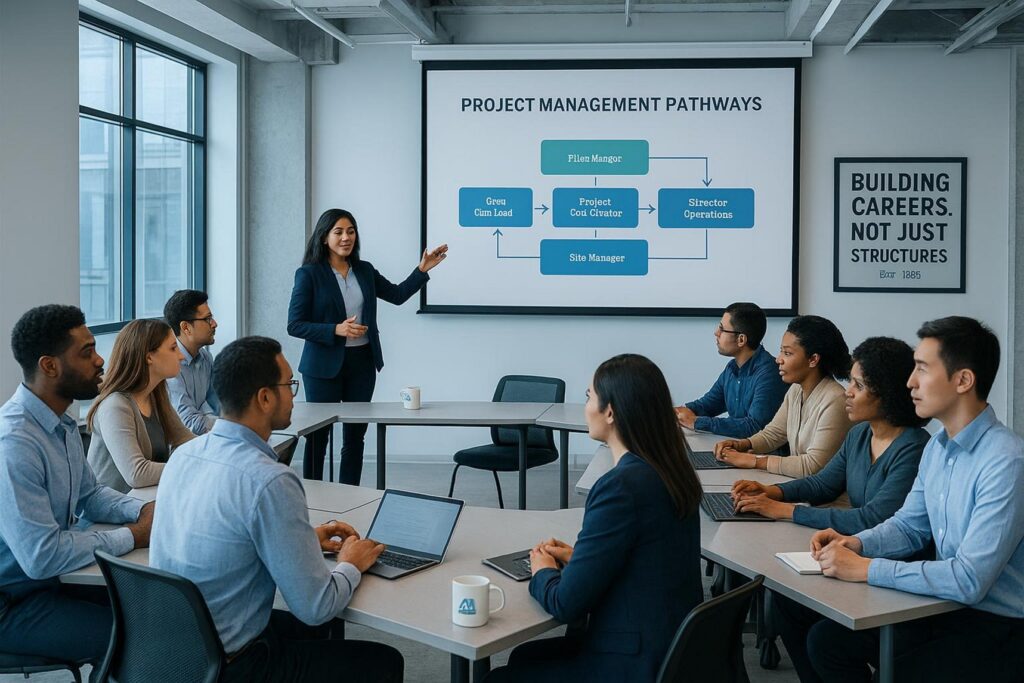
Growth opportunities help retain good workers. People want to know they can build a career, not just work a job. Companies can support this by promoting from within, showing clear career paths, and offering training programs.
C.W. Driver runs “Driver University,” teaching skills from scheduling to leadership and making it available to all employees. Mid-level staff can also join programs like LEAD to prepare for leadership roles through business training and self-awareness tools. Communication training (like programs from Pollack Peacebuilding Systems) can also help teams handle difficult conversations better, reduce conflict, and improve teamwork.
Encouraging Team-Building Activities
Strong relationships make communication easier. Team-building helps people trust each other and share information more openly. This supports smoother collaboration on future projects.
Team-building can be simple. Regular meetings that include a bit of personal conversation can build connection. Asking about families, hobbies, and life outside work shows real interest and helps create a supportive environment. When people know each other better, they tend to collaborate and support each other more.
Recognizing and Rewarding Contributions
Recognition improves morale and motivation. Celebrating work-big or small-shows employees their effort matters. This can include safety milestones, meeting deadlines, or stepping up during a tough phase of a job.
Recognition can be formal (awards, bonuses) or simple (public thanks in meetings). C.W. Driver Cos. also offers paid volunteer hours and charity giving options, supporting a culture of helping others. Recognition strengthens positive habits, supports pride in work, and builds stronger ownership of company success.
Leadership’s Role in Shaping Communication and Culture
Leaders set the tone for how people communicate and how the workplace feels. Leadership is more than oversight-it shapes trust, behavior, and daily habits. Good leaders build people and support a healthy workplace, not just project schedules.
Modeling Transparent and Respectful Communication
Leaders need to show the behavior they want others to follow. This includes honest, respectful communication. An open-door policy helps, but leaders also need to be present on-site and talk with crews directly. That visibility makes leaders feel more approachable.
Owning mistakes builds trust. When a supervisor admits a planning or communication error, it shows that learning matters more than blame. That helps workers report problems early instead of hiding them. Clear feedback should focus on actions and results, not personal attacks. Leaders should also invite questions so workers feel safe asking for clarity.
Nurturing Accountability and Trust
Leaders also shape accountability and trust. Being consistent and fair builds confidence. When similar situations get handled in similar ways, people believe the rules are real and applied evenly.
Feedback systems also support accountability when leaders use them well. Asking for feedback, responding quickly, and explaining what changed completes the feedback loop. When workers see their input lead to real action, trust grows, and people become more invested in results.
Supporting Ongoing Cultural Initiatives
Culture takes ongoing work. Leaders need to support cultural efforts over time and connect them to company goals. That includes funding and encouraging training, team-building, and diversity programs.
Cultural sensitivity training can help teams work better across different backgrounds. Wellness programs and flexible scheduling show commitment to employee well-being, not just output. When leaders keep supporting these efforts, the company’s values become real daily behavior, not just words.
Frequently Asked Questions on Workforce Communication and Culture in Construction
As more construction firms focus on communication and culture, a few common questions come up. Answering them helps clarify what to do next and how to keep improvements practical.
What is the best way to establish a clear communication chain of command?
Start by clearly listing each role and responsibility. Everyone should know who they report to and who handles certain topics, like scheduling, quality issues, or safety. Explain this structure at project kickoff, post it where crews can see it, and include it in project handbooks.
Tools like Contractor Foreman can also help by keeping key project details, schedules, updates, and communication structures in one place. When people know exactly who to contact, communication becomes faster and accountability improves.
How do feedback systems lead to project success?
Good feedback systems improve communication and support better project results by creating a clear way to share concerns and ideas. When feedback happens regularly, teams can spot problems early and fix them before they cause delays or expensive mistakes.
When workers see their feedback taken seriously and turned into real changes, engagement rises. That supports accountability and better decisions across the project. Daily logs and client portals can also support this by keeping information visible and helping teams stay aligned from start to finish.
What strategies help reduce language barriers on job sites?
To reduce language barriers, firms can use bilingual staff or translators and use visuals like diagrams, photos, and common symbols for instructions and safety rules. Language classes or learning resources can also help workers improve skills in the main site language.
Translation apps can support real-time communication. It also helps to create simple, standard ways of sharing instructions and to pair workers who need support with bilingual coworkers. These steps improve both productivity and safety.
Why is regular employee recognition important for company culture?
Regular recognition raises morale and motivation. When people feel their work is noticed, they feel valued, which can reduce burnout and increase job satisfaction and loyalty.
Recognition also reinforces good habits and encourages strong performance. A workplace where people feel seen and respected usually has better teamwork, higher productivity, and better quality work. When employees feel connected to success, the whole company benefits.