Plumbing problems have a way of starting quietly. A drain slows down just a little, a faucet drips when no one’s using it, or the toilet seems to run longer than usual. These issues are easy to brush off, especially when life gets busy. After all, if water is still flowing, it can’t be that serious, right?
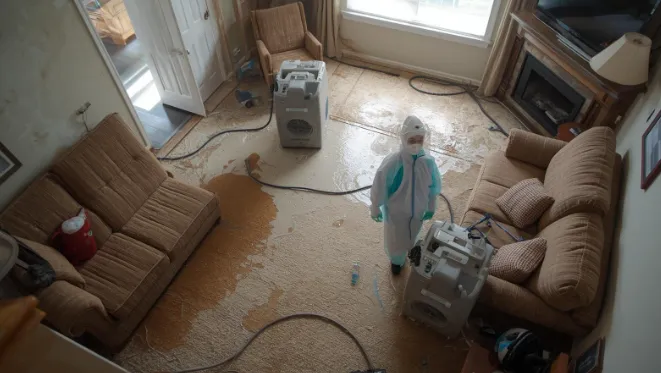
The truth is, many household plumbing issues don’t announce themselves loudly at first. They develop slowly behind walls, under floors, or inside pipes, where damage isn’t immediately visible. Over time, what seemed like a minor inconvenience can turn into higher water bills, property damage, or even sudden plumbing emergencies.
Being aware of common warning signs can help you act before problems spiral out of control. When you know what to look for and why it matters, you’re better equipped to protect your home, your comfort, and your peace of mind.
Why Small Plumbing Problems Deserve Immediate Attention
Small plumbing issues rarely stay small for long. A slow drain, a minor leak, or inconsistent water pressure can be the early signs of deeper problems developing out of sight. Water is persistent, and even small amounts escaping where they shouldn’t can weaken materials, cause hidden damage, or create conditions for mold.
This is often the point where homeowners realize that quick fixes aren’t enough. If a problem keeps coming back or starts interfering with daily routines, it’s a sign that professional help may be needed. If you’re noticing recurring issues and want reliable solutions that go beyond temporary repairs, turning to experienced plumbing services can help identify the root cause, address the problem properly, and prevent it from turning into a larger and more costly situation.
Taking action early doesn’t just protect your plumbing system. It protects your entire home from unnecessary stress and damage.
Slow or Clogged Drains That Keep Coming Back
A slow drain once in a while isn’t unusual, but when clogs become a regular issue, it’s worth paying attention. Hair, soap residue, grease, and debris can build up over time, narrowing pipes and restricting water flow. Repeated clogs may indicate a buildup deeper in the system that household solutions can’t reach.
Ignoring recurring drain problems can lead to backups, unpleasant odors, and even pipe damage. If plunging or store-bought treatments only offer short-term relief, it’s a sign that something more serious may be happening below the surface.
Dripping Faucets and Leaky Fixtures
A leaking faucet may appear harmless, but it can waste a surprising amount of water over time. That constant drip adds up on your water bill and often signals worn-out components or pressure issues within the fixture.
Leaks don’t usually improve on their own. What starts as a slow drip can eventually turn into a steady leak, increasing water waste and potentially damaging surrounding surfaces. Addressing leaks early helps conserve water and keeps small repairs from turning into larger ones.
Low Water Pressure Throughout the Home
Low water pressure can make everyday tasks frustrating, from showering to washing dishes. While it may seem like a minor annoyance, pressure issues often point to underlying problems such as pipe buildup, hidden leaks, or issues with water supply lines.
When low pressure affects multiple fixtures, it’s especially important not to ignore it. Persistent pressure problems can strain appliances and reduce overall plumbing performance. Identifying the cause early can restore comfort and prevent further complications.
Running Toilets and Toilet Performance Issues
A toilet that keeps running long after flushing is more than just an annoyance. It’s a major source of water waste. Running toilets can use hundreds of extra gallons of water each day, often without obvious signs beyond a faint sound.
Other performance issues, like weak flushing or frequent clogs, can also signal internal problems. Toilet issues rarely fix themselves, and delaying repairs can lead to higher water bills and unexpected breakdowns.
Unusual Noises Coming From Pipes
Plumbing systems aren’t completely silent, but loud or unusual noises shouldn’t be ignored. Banging, rattling, or whistling sounds can indicate pressure problems, loose pipes, or trapped air in the system.
These noises may seem harmless at first, but over time, they can stress pipes and connections. Paying attention to new or worsening sounds helps catch issues before they cause leaks or pipe damage.
Water Stains, Damp Spots, or Musty Odors
Water stains on walls or ceilings, damp spots on floors, or lingering musty odors are often signs of hidden leaks. Even if you can’t see active water flow, moisture may be collecting behind surfaces.
Hidden leaks can damage drywall, weaken flooring, and affect indoor air quality. The sooner these signs are addressed, the easier it is to limit damage and restore affected areas.
Aging Pipes and Outdated Plumbing Systems
Older homes often have plumbing systems that weren’t designed for modern water use. Aging pipes may corrode, crack, or become more vulnerable to leaks over time, even if they’ve worked fine for years.
Waiting until something fails can lead to emergencies that are harder to manage. Proactive attention to aging plumbing systems helps reduce surprise repairs and supports long-term reliability.
When Plumbing Issues Start Affecting Daily Life
Plumbing problems become especially hard to ignore when they disrupt daily routines. Limited water access, repeated clogs, or constant leaks can add stress and inconvenience to everyday life.
When plumbing issues start dictating how you use your home, it’s a clear sign that they need proper attention. Addressing problems sooner restores comfort and prevents disruptions from becoming part of your normal routine.
Preventive Steps Homeowners Can Take
While not all plumbing problems can be avoided, awareness and regular attention make a big difference. Paying attention to small changes, addressing issues early, and avoiding habits that strain your plumbing system help reduce long-term risk.
Knowing where your shut-off valves are located and responding quickly to warning signs puts you in a better position when problems arise. Prevention isn’t about perfection. It’s about staying informed and proactive.
Plumbing issues rarely resolve on their own, and ignoring early signs often leads to bigger, more expensive problems. From slow drains and leaks to low pressure and hidden moisture, your home gives you clues when something isn’t right.
By paying attention and acting early, you protect your plumbing system, your comfort, and your home’s overall condition. Staying aware of common plumbing problems helps you make informed decisions and avoid unnecessary stress. With the right approach, you can keep small issues from turning into major disruptions and enjoy a home that works the way it should.