Starting a large renovation can feel exciting, but a key question always comes up: how long will it take? The answer is rarely “a few weeks.” Big projects, from a full kitchen remodel to a multi-room update, often run for several months to a year or more. Knowing this early helps you plan and lowers stress along the way.
TV makeovers can set false hopes. Even a small bathroom renovation can take about three months from the first design ideas to the final punch list. Updating several rooms can take half a year or longer. The work is not just hammers and nails; it includes planning, permits, ordering materials, and careful coordination.
Specialized work like masonry restoration needs trained pros and can affect the schedule because of the careful methods and skilled labor involved.
Why a Realistic Timeline Matters for Large Renovation Projects
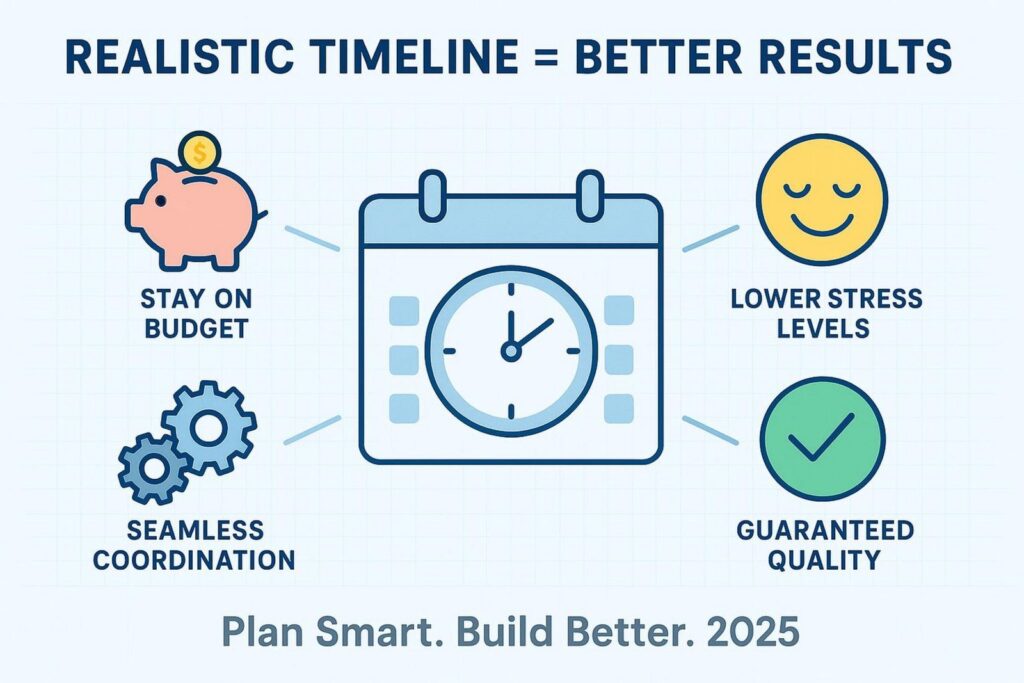
A clear, honest timeline is more than a calendar-it’s the base for a well-run project. It shows you have a contractor who respects your time and budget. Without it, you’re guessing at what comes next and more likely to face delays and frustration.
Most homeowners worry most about two things: time and money. While it’s normal to hope for a certain finish date, surprise problems can disrupt even the most carefully planned job. Delays can come from back-ordered items, hidden structural issues, or busy contractors. Keeping a project moving is often a homeowner’s biggest worry.
What Happens When Renovation Timelines Are Not Accurate?
Bad estimates can be costly. If the work takes longer than expected, you may pay more for temporary housing, extra labor, or even face penalties if deadlines in your contract are missed. You might plan to move back in by a certain date, only to find you need to extend a rental or stay with friends or family for weeks more.
Poor timelines also lead to stress. Decision-making can drag on, causing “design fatigue” and rushed choices you later regret. Miscommunication can grow between owners, contractors, and designers, hurting trust. Rushing to catch up can lower quality, and you may pay later for fixes that could have been avoided with a better plan.
Benefits of Planning with a Realistic Timeline
A workable timeline sets you up for a smoother project. It gives you time to research, compare options, and make decisions that fit your goals and budget. This cuts down on last-minute changes, which are known to slow things down and raise costs.
A realistic schedule also helps designers, contractors, trades, and suppliers work in sync. This makes it more likely that trades are available when needed and materials show up at the right time, which reduces bottlenecks. It also leaves room to handle surprises without throwing off the whole plan.
Clear timing helps communication, sets expectations, and turns a stressful process into one you can manage, bringing your design vision to life with fewer headaches.
Key Phases in Large Renovation Project Timelines
Big renovations move through several phases, each with its own timing and dependencies. Knowing these stages helps you set realistic expectations and manage the work well.
Pre-Planning: Defining Needs and Project Scope
Before any sketches, start with pre-planning. List your goals, rank what matters most based on needs and budget, and outline your overall vision. What do you want to change? What outcome are you aiming for? Decide if updates are cosmetic, structural, or both, and think about how the work will improve function or boost home value.
For larger projects, partnering with experienced exterior specialists like Nova Construction Services can help you match your vision with what’s structurally realistic.
Spend time on research. Save inspiration images, review design sites, and build mood boards to clarify your style. Whether on your own or with a designer, this early work helps you put your ideas into clear plans.
A designer can help you compare options and details, which often takes longer than expected. Check existing conditions, required permits, and set a realistic budget. Knowing limits and roadblocks early helps you set targets you can reach.
Design and Documentation
Once your vision takes shape, move into design. This is where ideas turn into plans. With a designer, you’ll lock in the look, going into styles, colors, and finishes. Tools like shared idea boards help align choices and preferences. This stage also includes detailed measurements and photos of your current space; tools like digital twins can help with accurate fit and pricing.
3D models help you “walk” through the plan to review layout, size, and flow before any work starts. Early choices on cabinets, tile, flooring, fixtures, counters, lighting, and hardware are very important, since these items drive the build schedule.
Waiting on choices during construction can cause delays or force you to pick from limited in-stock items. A single-room design phase might take about two months; multi-room plans can take four to six months.
Permitting and Regulatory Approvals
After design, the next key step is handling permits and approvals, especially for structural changes. Permits protect you and your home by making sure the work follows local building codes. Skipping permits can lead to fines, delays, or expensive rework.
Approval times vary by city, from a week to a few months. You’ll submit plans and may need to work with several city departments. An experienced contractor or design-build firm that works in your area can handle paperwork, talk with officials, and keep the project compliant. In some neighborhoods, you may also need to present plans to neighbors or design boards, especially in historic areas.
Sourcing Materials and Making Selections
With plans set and permits underway, start ordering materials and making final picks. Product availability and lead times can shape your schedule. Some tiles, lighting, or custom items can take 12 to 16 weeks or more, especially if custom-made or shipped from overseas. Even items sourced within the country can take four to six weeks to pull and ship.
To avoid delays, order early and confirm dates with suppliers. This helps materials arrive when needed and keeps work moving. Local stock may be limited, so if you have a specific look in mind, plan ahead for longer delivery times. Giving this stage enough time reduces stress and gives you more choices and better pricing.
Demolition and Site Preparation
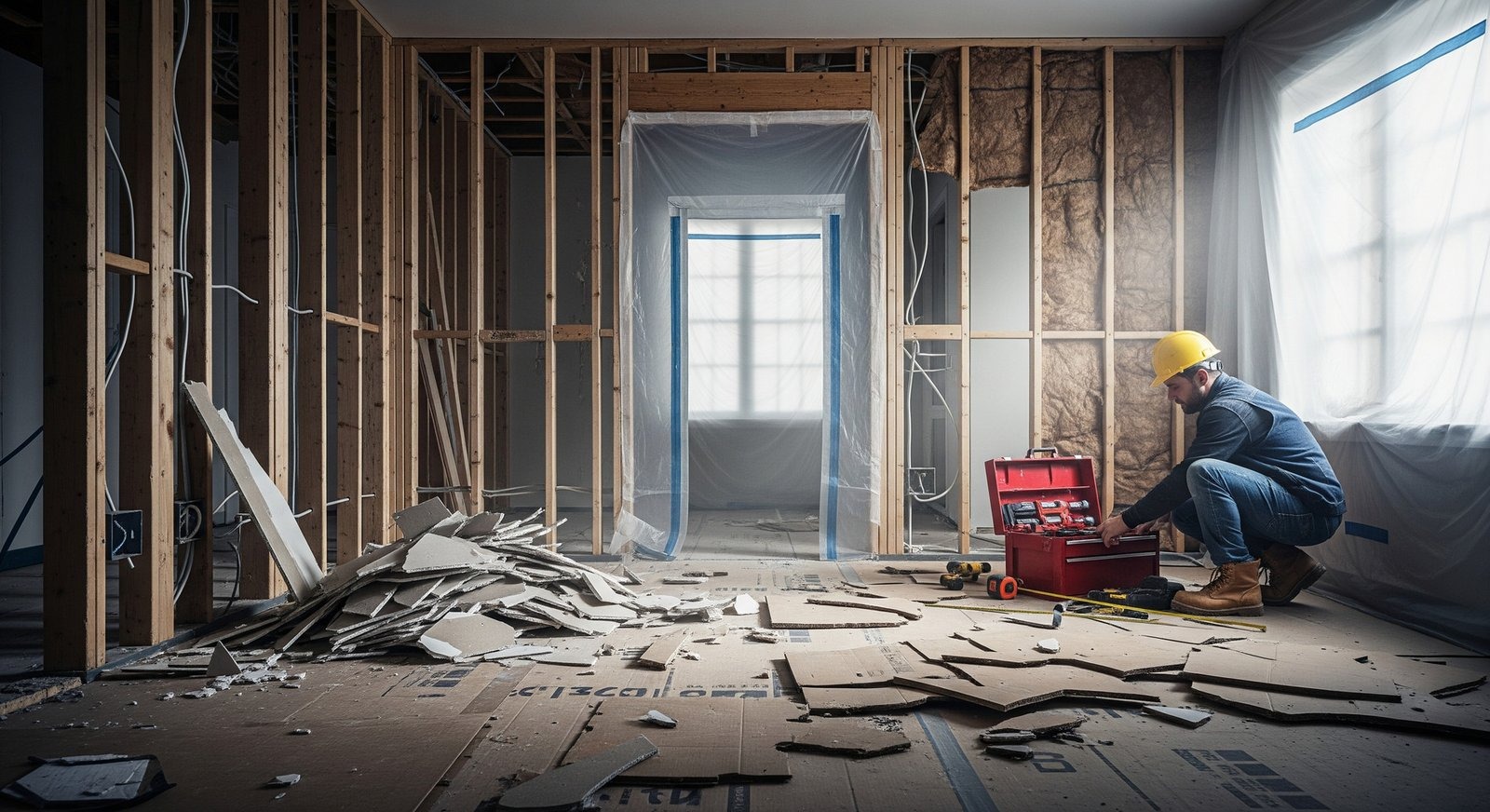
With the groundwork done, the physical work starts with demolition and prep. Old items come out to make way for the new. This can be as simple as removing fixtures or as involved as taking walls down to the studs. A single room might take a few days; larger areas can take weeks.
Prep includes protecting the rest of the home, covering floors, hanging plastic, and arranging waste removal. Bigger jobs need staging areas for materials and clear access for crews. Contractors often send “pardon our dust” letters to neighbors to explain noise and activity.
Construction and Structural Work
Next comes the building. After the demo, major changes happen: reframing, additions, and rough work on electrical and plumbing. This step lays the base for the new space, and how complicated it is will affect the time needed. Replacing old systems can add days or weeks.
Timing ranges widely. One room may take about a month. Several rooms can take up to three months. A full-home renovation with major structural changes can run six months or more. Weekly check-ins with the client are important, and many teams share updates through project apps with schedules, photos, and material lists. Progress payments often begin here.
Inspections and Walkthroughs
As work moves forward, city inspections check that everything meets code and matches approved plans. These visits matter for safety and structure. Scheduling or failing inspections can add days or weeks.
Near the end, the team prepares a punch list of touch-ups. Then you walk the site together to agree on final items. You may also hire a home inspector to review the finished work and check systems (mechanical, HVAC, electrical, plumbing). The final walkthrough and payment happen after punch list items are complete and all inspections pass.
Finishes, Clean-Up, and Project Closeout
Finishing work brings the space together: floors, paint, counters, tile backsplashes, lighting, and hardware. These details need careful work and can affect timing, especially with custom features.
After installs, a full clean is important. Contractors handle basic cleaning like vacuuming dust and washing floors. Once clean, you or your designer can unpack, place furniture, and style the space. Closeout also includes final paperwork, warranty info, and confirming you are happy with the outcome.
Factors That Affect the Timeline for Large Renovation Projects
Knowing what commonly causes delays helps you plan better. Careful planning helps, but many moving parts can still stretch the schedule.
Project Scale and Complexity
The biggest driver is size and how complicated the job is. Painting a living room might take days. A full kitchen remodel-plumbing, electrical, appliances, possible structural changes-often runs six to twelve weeks. A main bathroom with custom tile and new plumbing or electrical can take three to ten weeks.
A whole-home project with floor plan changes, new floors, paint, and a new kitchen can take nine to twelve months. Additions often take three to five months, and more involved interior work can take longer. More trades on site and more square footage usually mean more time.
Availability of Materials and Lead Times
Material availability is a common source of delays. Custom tile, unique lights, or special fabrics can take 12 to 16 weeks or longer, especially if made to order or shipping internationally. Even standard items shipped domestically can take four to six weeks.
Busy seasons raise demand, making some items harder to get quickly. If a key product is on backorder, a phase-or the whole project-may pause until it arrives. Order early and confirm delivery dates. Shipping snags, customs holds, or holiday production gaps can add four weeks or more.
Permitting Requirements and Inspection Schedules
Permits and inspections often take longer than expected. Many larger projects need permits to meet building codes and safety rules. Approval times vary, from a week to months, depending on scope and local offices.
On top of permits, many cities require multiple inspections during the job (electrical, plumbing, framing). Inspectors are busy, and a failed inspection adds time for fixes and a return visit. If you don’t plan time for these steps, delays can pile up.
Seasonal and Weather Considerations
Season matters, especially for exterior work or anything sensitive to temperature and humidity. Spring and summer are busy, with longer days and good weather, but that also means tighter contractor schedules and longer waits for materials.
Bad weather-heavy rain, snow, extreme heat-can stop outdoor work like roofing, foundations, or exterior painting. Off-peak scheduling can help, but surprise weather can still slow progress. Work around November and December can also slip because many trades take time off.
Contractor Schedules and Labor Availability
Your contractor’s calendar matters a lot. Good contractors can be booked months out, especially in busy seasons. If they are managing several jobs at once, your pace may slow.
Shortages in certain trades (tilers, plumbers, electricians) also cause delays. If a specialist isn’t free for weeks, other tasks may have to wait. Hire early and ask about schedules and commitments. A contractor who is open about timing helps you plan better.
Homeowner Decisions and Change Orders
Homeowner choices can also slow things down. Delays in design approvals, slow material decisions, or last-minute changes can shift the entire plan. Comparing options often takes more time than expected.
Change orders after work starts are known to extend timelines and raise costs. Each change needs new pricing, new materials, and new trade schedules. Decide early, communicate clearly, and keep scope creep to a minimum to stay on track.
Unforeseen Issues and Delays
Even with careful planning, surprises happen-especially in older homes. You can find outdated wiring, mold, bad insulation, or hidden structural problems once walls are open. These require extra work, updates to plans, and sometimes new permits, adding days or weeks.
Add a buffer of 10-15% to your schedule for surprises. Experienced teams plan for the unexpected. This extra time gives room to solve problems without panic or big schedule slips.

Estimating the Duration of Each Major Renovation Milestone
Breaking a large project into milestones with typical durations helps build a realistic schedule. Every job is different, but these ranges offer a helpful starting point.
Initial Consultation and Design: Typical Timeframes
It starts with an intro call and a site visit so pros can look at the space and needs. These steps help confirm the fit and set up good planning.
Design takes time. For one room, plan about two months for full design, inspiration, style choices, and early material picks. For multiple rooms, plan four to six months. This allows for feedback, 3D visuals, and early decisions on finishes. Rushing design often leads to changes later.
Securing Permits: What Can Cause Delays?
Permits are a key milestone. Timing ranges from a week to several months depending on your city and the scope of work. Simple cosmetic updates may not need permits, but structural, plumbing, and electrical changes usually do.
Delays can come from incomplete applications, requests for more details, slow city processing, or board reviews (like historic districts). Start the permit process as early as possible, ideally alongside detailed design, and work with pros who handle local permits often.
Material Procurement: Standard Delivery Timelines
Ordering materials drives timing in a big way. Some items are in stock locally, but many key pieces-custom cabinets, specific floors, unique lights, special appliances-take time. Items shipped domestically usually take four to six weeks. Custom or overseas orders often need 12 to 16 weeks or more for production, shipping, and customs.
Plan for possible hiccups like shipping delays, customs holds, or holiday slowdowns, which can add four or more weeks. To avoid a stall, order key items early so they arrive before install dates. This gives time to inspect deliveries and avoids mid-project waiting.
Construction Phases: Average Completion Times
The build phase usually breaks into sub-steps, each with typical ranges:
- Demolition and Site Preparation: A few days for one room to about one month for larger areas.
- Structural Work (Framing, Rough-ins for Plumbing/Electrical): A couple of weeks for one room; several weeks to months for multi-room plans or additions with complex changes.
- Insulation and Drywall: About one to three weeks, depending on size.
- Flooring Installation: One to three weeks, depending on material and square footage (hardwood often needs time to acclimate).
- Cabinetry and Built-ins: One to three weeks, with careful fitting.
- Finishes (Painting, Trim, Countertops, Fixtures): Painting often takes a few days per room; counters and fixture hookups can add one to two weeks.
In total, a bathroom might take one to three months to build. A kitchen often takes six to twelve weeks. A major whole-home renovation typically takes nine to twelve months for construction alone.
Inspection and Finalization: Scheduling Considerations
City inspections happen during the build. Scheduling can be tricky since inspectors are busy. Plan ahead to avoid delays. A project manager usually handles this and gets the site ready for each visit.
Near the end, the team prepares a punch list and walks it with you. Fixing final items and responding to a home inspector’s notes can take a few days to a couple of weeks. After that, the job wraps and closeout begins.
Mapping Tasks and Creating a Step-by-Step Renovation Schedule
Big renovations need a clear, step-by-step schedule. This is more than a wish list-it’s a working plan that guides the team, tracks progress, and flags risks early.
Breaking Down the Project into Manageable Phases
Start by splitting the project into smaller tasks. Instead of one line for “kitchen,” break it into “demo,” “rough-in plumbing,” “electrical,” “cabinets,” “countertop template,” “flooring,” and “painting.” Each item becomes a task with timing and owner.
This detail makes it easier to assign work, estimate time, and spot dependencies. For example, counters come after cabinets; paint follows drywall. Smaller steps make the order of work clearer.
Setting Milestones and Deadlines for Each Stage
Set clear milestones and realistic deadlines for each step. Milestones mark big checkpoints like “Permits Approved,” “Demo Complete,” “Rough-ins Passed,” or “Cabinetry Installed.” They show progress and create formal review points.
Set deadlines using the typical timeframes above, your contractor’s schedule, and material lead times. Also add buffer time for surprises. If a task usually takes two weeks, plan two and a half or three to absorb small delays without pushing the whole plan.
Using Project Management Tools for Timeline Tracking
Relying on memory or scattered emails leads to trouble. Use project tools to track dates and tasks. Options range from spreadsheets (Google Sheets) to tools like Trello or Asana. They let you:
- See the schedule: Use timelines or Gantt views to show tasks, dates, and dependencies.
- Assign work: Make it clear who owns each task.
- Track status: Mark tasks “to do,” “in progress,” or “done” for a live view of progress.
- Store files: Keep permits, drawings, and selections in one place.
- Communicate: Comment within tasks to keep messages tied to the work.
Tools like Matterport can also create a digital twin of your home, so you can view progress, compare against plans, and document each phase, which can greatly cut the need for site visits.
Communicating the Timeline with Contractors and Stakeholders
A solid timeline only helps if everyone sees it and follows it. Share it with your general contractor, trades, designer, suppliers, and family members affected by the work.
Set weekly check-ins to review progress, plan the next steps, and flag issues. Share the schedule so everyone knows their tasks, dates, and how their work affects others. Let suppliers know delivery windows and trades know when they are needed. Clear, steady communication reduces confusion and keeps the job moving.
Common Mistakes and How to Prevent Timeline Overruns
Delays can happen even with the best planning. Spotting common pitfalls and acting early can help keep your project on schedule.
Underestimating Permit and Inspection Times
Many people think permits and inspections will be quick. In reality, getting permits can take weeks or months, depending on scope and local rules. Structural changes or major plumbing/electrical work almost always need permits.
Projects often need multiple inspections during construction. Inspectors are busy, and failed checks lead to rework and new visits. Learn your local rules at the start. Work with your contractor or designer to submit complete paperwork and add time for permits and inspections. Don’t assume-confirm details with your city or town office.
Delaying Design and Materials Selections
It’s tempting to rush design or delay material picks when you’re ready to start. That often causes slowdowns later. Waiting on decisions can pause work, and quick, last-minute choices can lead to regret. Late selections also hurt when items have long lead times.
Decide on major items early-cabinets, flooring, tile, fixtures-and order them in advance. Work closely with your designer and confirm lead times. Aim to have key materials on site before install dates to avoid waiting mid-project.
Miscommunication with Contractors
Clear communication keeps projects on track. If expectations aren’t set or changes aren’t documented, mistakes and rework follow.
Set up regular weekly meetings to review progress, upcoming work, and any issues. Use shared tools to track decisions, changes, and dates. Put agreements in writing, especially for scope changes or budget updates. Ask questions early and invite your contractor to raise concerns too.
Ignoring Seasonal and Supply Chain Factors
Skipping over seasonal swings and supply issues can derail schedules. Spring and summer are busy, which can mean longer waits and higher demand. Holiday periods can also slow work as trades take time off.
Weather can stop exterior work. Supply issues can slow even standard orders. Try scheduling in less busy months if possible. Ask about availability and lead times up front, and add buffer time for shipping delays or bad weather.
Failing to Build in Contingency Buffers
Not adding buffer time is a common mistake. Surprises will happen-mold behind walls, old wiring, or damaged deliveries. Without extra time, the whole schedule can slip.
Plan for at least a 10-15% time buffer. Some pros suggest 20-30% for older homes. This cushion lets the team handle surprises without rushing or cutting quality.
Tips for Staying on Track and Adapting to Unexpected Delays
Even with careful planning, large projects face twists and turns. Success depends on how you manage delays and adjust as needed.
Proactive Communication with Your Renovation Team
Regular, open communication is your best tool against schedule slips. Keep an ongoing dialogue with your contractor, designer, and key trades. Don’t wait-raise issues as soon as you see them. Weekly check-ins work well to review progress, next steps, and possible roadblocks.
Keep expectations clear, and ask your team to be open about challenges. If a material is late, ask for updates and discuss substitutes. If a trade is behind, find out why and plan a fix together. Good communication builds trust and helps you solve problems faster.
Documenting Progress and Adjusting Schedules
Track progress with photos, meeting notes, and shared timelines. Some homeowners use Matterport to capture each stage and compare it to the plan.
When a delay happens, write down the cause, impact, and action plan. Update the schedule to match. Treat your timeline as a living document-update and share changes so everyone stays aligned.
When and How to Adjust Your Timeline
Knowing when to adjust beats forcing an old plan to fit new facts. Change the timeline when big surprises hit, like major structural findings, long material delays, or permit issues. Do it as soon as you see the impact.
Work with your contractor to review status and options. Can tasks be resequenced? Are there material alternatives with shorter lead times? Can you add crew if the budget allows? Once you agree, publish an updated schedule, share it with all parties, and confirm new dates and milestones.
Leveraging Technology for Schedule Management
Modern tools can really help with large projects. Beyond spreadsheets, platforms like Trello, Asana, or construction-specific tools make tracking and communication easier.
These tools let you:
- Build interactive schedules: See tasks, dependencies, and dates.
- Assign and track tasks: Set owners and monitor status.
- Keep messages in one place: Tie discussions to tasks.
- Share documents: Store drawings, permits, specs, and photos.
- Get real-time updates: Mobile apps support on-site updates right away.
Using these tools helps you keep a clear view of progress, improve teamwork, and make better decisions when plans change.
Getting the Best Results: Collaborating with Professionals for Accurate Timeline Planning
For large renovations, experienced pros add real value, especially for schedule planning. Their know-how can turn a messy process into an organized, step-by-step path.
The Role of Design-Build Teams and General Contractors
Design-build firms combine design and construction, giving you one point of contact. This setup cuts back on delays caused by handoffs between separate teams. They manage both sides, align design with practical build steps, and often solve conflicts before they slow the job.
General contractors, even outside a design-build model, bring strong scheduling skills. They know trade sequences, lead times, and permit steps. A reputable GC will offer a detailed fixed-price proposal with a clear scope, open pricing, and a realistic schedule. They break big work into smaller parts, assign time to each, and coordinate subs and suppliers to keep things moving. Their ability to manage flow and adjust to surprises helps protect your timeline.
Questions to Ask during Interviews about Scheduling
When you interview design-build teams or GCs, ask direct questions about scheduling and how they manage time:
- “Can you walk me through your typical project timeline for a renovation of this scope? What are the key milestones you track?”
- “How do you account for potential delays, such as material lead times, permitting processes, or unforeseen structural issues, in your initial timeline estimate?”
- “What project management tools do you use to track progress and communicate updates to clients?”
- “How often do you typically schedule client meetings to discuss the project schedule and progress?”
- “What is your process for handling change orders, and how do they impact the timeline and budget?”
- “How do you manage subcontractor schedules to make sure they are available when needed and don’t cause bottlenecks?”
- “Can you provide references from past clients who can speak to your ability to manage project timelines effectively?”
- “What is your communication protocol when unexpected delays occur? How quickly can I expect to be informed and what solutions will you propose?”
If a contractor brushes off the schedule or can’t explain their process, that’s a warning sign. Choose someone who shares a clear plan and shows how they prevent and handle delays. Their answers reveal experience, organization, and commitment to finishing on time.
Frequently Asked Questions about Renovation Project Timelines
Planning for renovation timelines often brings common questions. Here are straightforward answers to help you prepare.
How Long Do Major Home Renovations Typically Take?
Major renovations with big structural changes, several rooms, or full-house work usually run nine to twelve months from design to final touches. A full kitchen often takes six to twelve weeks; a master bath can take three to ten weeks. Additions often take three to five months. These are general ranges. Actual time depends on how complex the job is, home size, material availability, and how efficiently the team works.
What Are the Most Common Causes of Schedule Delays?
Typical causes include:
- Material Lead Times and Availability: Custom orders and supply issues can push dates back.
- Permitting and Inspections: Paperwork and scheduling checks often take longer than expected.
- Unforeseen Issues: Mold, old wiring, or structural damage found during demo.
- Homeowner Decisions and Change Orders: Slow choices or changes after work starts.
- Contractor Scheduling and Labor Availability: Busy calendars and trade shortages.
- Weather: Exterior work can stop during storms or extreme temperatures.
Add a 10-15% time buffer to help absorb these bumps.
How Often Should You Update the Project Timeline?
Treat the timeline as a living document. Review and update it at least weekly during check-ins with your contractor. Adjust it when tasks finish, issues come up, deliveries shift, a big milestone hits, a change order is approved, or a new delay appears. Quick updates and clear communication keep everyone aligned and reduce confusion.