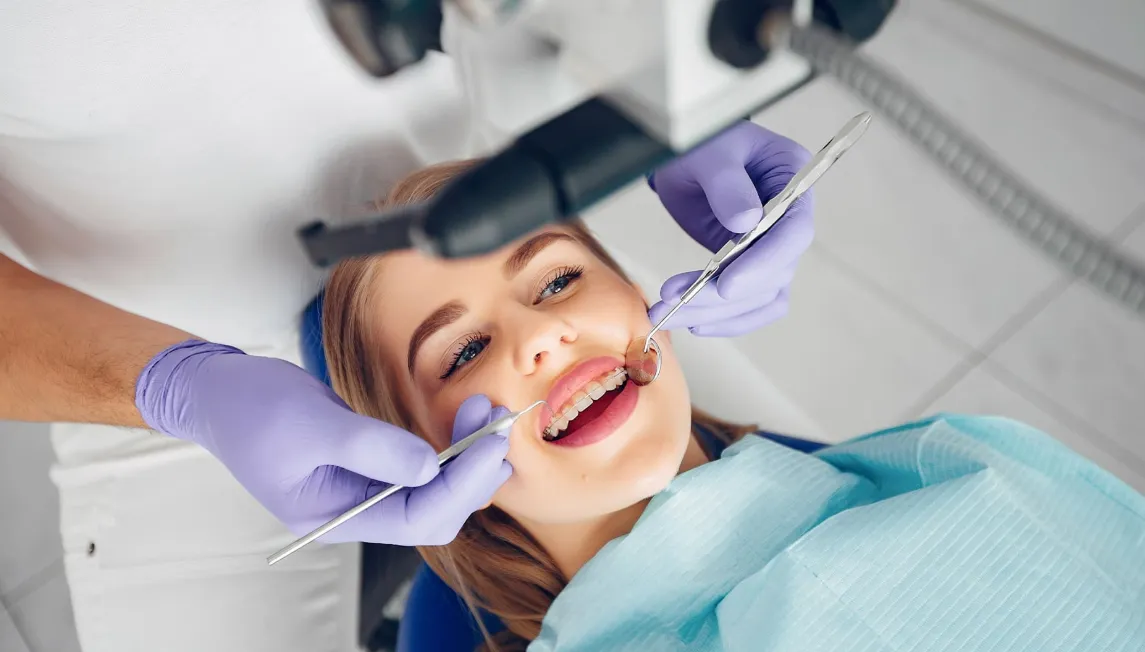
Adolescence is a critical stage of development—not just for physical growth and emotional maturity, but also for long-term health outcomes. While many parents focus on nutrition, exercise, and academic performance during the teenage years, oral health is often overlooked. Yet, growing evidence shows that oral health in adolescence plays a significant role in shaping overall health well into adulthood.
Understanding this connection is essential for parents and teens alike. What happens in the mouth doesn’t stay in the mouth—it can influence systemic health, confidence, and even future medical risks.
Why the Teenage Years Are a Turning Point
Teenagers experience a unique combination of biological, behavioral, and lifestyle changes that can directly impact oral health:
- Hormonal fluctuations can increase sensitivity to plaque and gum inflammation
- Diets often shift toward sugary drinks, processed snacks, and irregular eating habits
- Oral hygiene routines may become inconsistent
- Orthodontic issues (like misaligned teeth or bite problems) often become more noticeable
These factors create a perfect storm for dental issues such as cavities, gum disease, and enamel erosion. If not addressed early, these problems can evolve into chronic conditions with broader health implications.
The Mouth-Body Connection: What Science Says
The concept of oral-systemic health is well established in medical research. Poor oral health is not just about cavities or bad breath—it is linked to a range of systemic conditions.
1. Gum Disease and Inflammation
Gum disease (gingivitis and periodontitis) begins with inflammation caused by bacterial buildup. Over time, this inflammation can spread beyond the gums and enter the bloodstream.
Studies have shown associations between gum disease and:
- Cardiovascular disease
- Diabetes complications
- Respiratory infections
For teenagers, early signs of gum inflammation—such as bleeding gums—should not be ignored. Addressing these issues early reduces the risk of chronic inflammation later in life.
2. Oral Bacteria and Systemic Health
The mouth contains billions of bacteria. When oral hygiene is poor, harmful bacteria can multiply and enter the bloodstream through inflamed gums or untreated cavities.
This bacterial spread has been linked to:
- Increased risk of heart disease
- Compromised immune response
- Potential links to conditions like rheumatoid arthritis
Establishing good oral hygiene habits during adolescence helps maintain a balanced oral microbiome, reducing these risks over time.
3. Impact on Nutrition and Digestion
Oral health directly affects how well teens can chew and process food. Misaligned teeth, untreated cavities, or jaw issues can lead to:
- Poor chewing efficiency
- Avoidance of certain nutritious foods
- Digestive inefficiencies
For example, teens with dental discomfort may avoid crunchy fruits and vegetables, leading to nutritional gaps that affect overall development.
Orthodontics: More Than Just Straight Teeth
Orthodontic care during the teenage years is often viewed as cosmetic. However, the benefits extend far beyond aesthetics.
Correcting alignment and bite issues can:
- Improve oral hygiene by making teeth easier to clean
- Reduce the risk of cavities and gum disease
- Prevent excessive wear on teeth
- Support proper jaw development and function
Seeking guidance from a qualified orthodontist in Washington, DC or your local area can help identify issues early and create a treatment plan that supports both oral and overall health.
The Role of Habits in Long-Term Outcomes
Teenagers are at a stage where habits—good or bad—become deeply ingrained. Oral health routines developed during this period often carry into adulthood.
Key habits that shape long-term health:
1. Daily Oral Hygiene
Brushing twice a day and flossing daily are foundational. Teens who skip these steps are more likely to develop chronic dental issues.
2. Dietary Choices
Frequent consumption of sugary or acidic foods contributes to enamel erosion and cavities. Encouraging balanced nutrition benefits both oral and systemic health.
3. Regular Dental Visits
Routine check-ups allow for early detection of issues before they escalate. Preventive care is significantly more effective than reactive treatment.
4. Avoiding Harmful Behaviors
Habits like smoking, vaping, or excessive soda consumption can have immediate and long-term effects on oral health.
Mental and Social Health Connections
Oral health also plays a critical role in a teen’s psychological well-being. Issues like crooked teeth, bad breath, or visible decay can affect:
- Self-esteem
- Social interactions
- Willingness to smile or speak confidently
These factors can influence academic performance, social development, and even future career opportunities. Addressing oral health early helps teens build confidence during a formative stage of life.
Long-Term Risks of Neglecting Teen Oral Health
Failing to prioritize oral health during adolescence can lead to compounded problems in adulthood, including:
- Chronic gum disease
- Tooth loss
- Expensive restorative treatments
- Increased risk of systemic health conditions
What may seem like minor issues—such as occasional bleeding gums or mild misalignment—can evolve into significant health challenges if left untreated.
A Preventive Approach: What Parents Can Do
Parents play a crucial role in guiding teens toward better oral health. A proactive approach includes:
- Reinforcing consistent hygiene routines
- Monitoring dietary habits without being overly restrictive
- Scheduling regular dental and orthodontic check-ups
- Educating teens about the long-term impact of oral health
Importantly, the goal is not just compliance, but understanding. When teens grasp the “why” behind oral care, they are more likely to take ownership of their habits.
Conclusion
Teen oral health is not an isolated concern—it is a foundational component of lifelong well-being. From reducing the risk of systemic diseases to supporting proper nutrition and boosting confidence, the impact is far-reaching.
The teenage years offer a unique window of opportunity. By addressing oral health proactively—through good habits, regular care, and early orthodontic intervention—parents can help set their teens up for a healthier future.
Investing in oral health today is not just about preventing cavities tomorrow. It’s about building a strong, resilient foundation for overall health that lasts a lifetime.