Retirement has transformed dramatically over the past few decades. People entering their later years expect vibrant environments that grow alongside their physical and emotional requirements. Facilities are actively updating their daily operations and physical layouts to match these new expectations.
The focus is squarely on providing environments that respect individuality and promote active aging.
Shifting Perspectives on Modern Senior Living
Older adults today seek dynamic environments rather than static care facilities. They want spaces that celebrate their independence while offering a safety net when physical capabilities shift. Looking at options like Walker Place shows how modern residences prioritize a resident first mentality.
Families are recognizing that a move to a communal setting should feel like a step forward into a fulfilling chapter. Instead of imposing rigid schedules, operators now listen closely to the people living under their roofs.
A community such as Walker Place integrates resident feedback directly into daily planning and long term improvements. This shift ensures that the environment feels like a true home rather than a clinical institution.
Designing Physical Spaces for Evolving Mobility
Architecture plays a massive role in how people experience their daily lives. Hallways, communal areas, and private apartments are being reimagined with wide, clear paths and abundant natural light. These design choices prevent isolation when someone transitions to using a walker or wheelchair.
Everything from the height of countertops to the placement of bathroom fixtures is considered carefully. Residents can age in place comfortably without feeling forced to relocate.
Integrating Technology to Foster Connection
Smart home features are becoming standard in many retirement communities. Voice activated lights and automated temperature controls offer convenience and safety for older adults.
Tablets and high speed internet allow individuals to video chat with grandchildren or stream their favorite shows effortlessly. Staff members utilize discreet monitoring systems to ensure safety without intruding on personal privacy. These digital tools bridge the gap between residents and the outside world smoothly.
Fresh Culinary Programs and Personal Choice
Dining has moved far beyond cafeteria style meals. Kitchens now operate more like restaurants, offering varied menus that cater to diverse tastes and dietary restrictions. Chefs focus on fresh, seasonal ingredients to create dishes that people actually look forward to eating.
Flexible dining hours mean residents can grab a late breakfast or an early dinner depending on their personal rhythm. Eating well is a huge part of staying healthy and happy.
Wellness Initiatives beyond Traditional Exercise
Keeping active involves much more than standard aerobics classes. Programs now encompass holistic activities like meditation, aqua therapy, and gentle yoga tailored for older bodies. Instructors focus on balance and flexibility to prevent falls and maintain joint health.
Gardening clubs and outdoor walking groups provide fresh air and physical movement simultaneously. Treating the whole person leads to much better overall vitality.
Emphasizing Mental Health and Cognitive Support
Emotional wellbeing is receiving the attention it deserves in later life stages. Facilities employ specialized staff to help individuals process the emotions associated with aging and loss. Memory care is woven into the community fabric seamlessly, providing stimulation through art therapy and music programs.
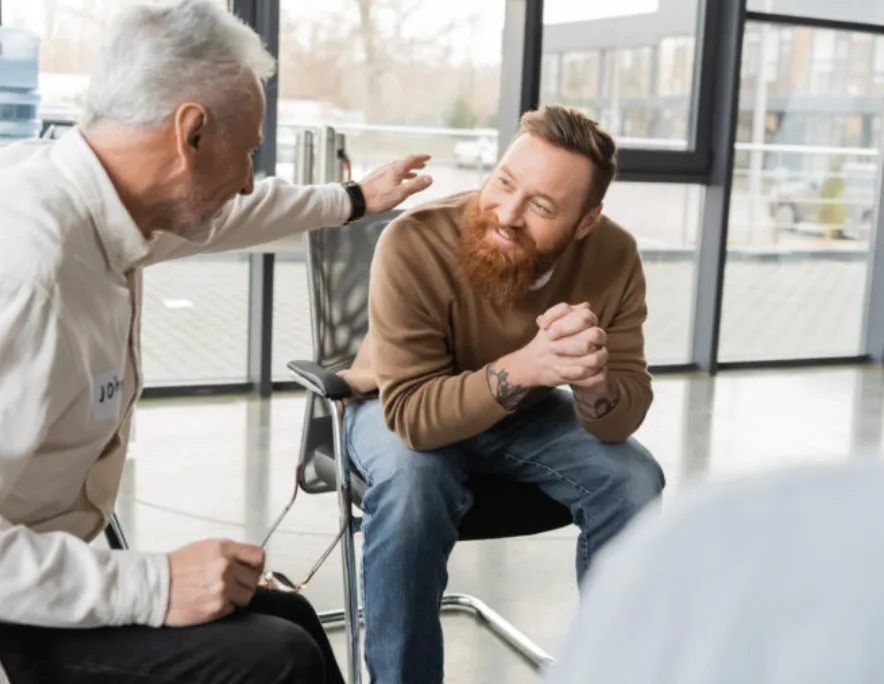
Support groups offer a safe space for people to share their feelings openly. A healthy mind is just as critical as a healthy body.
Conclusion
Communities will continue to evolve as the next generation of retirees moves in. The dedication to creating flexible, supportive, and engaging environments ensures that older adults can enjoy their later years to the fullest.
Prioritizing comfort, health, and happiness makes the transition into communal living a positive experience for everyone involved.