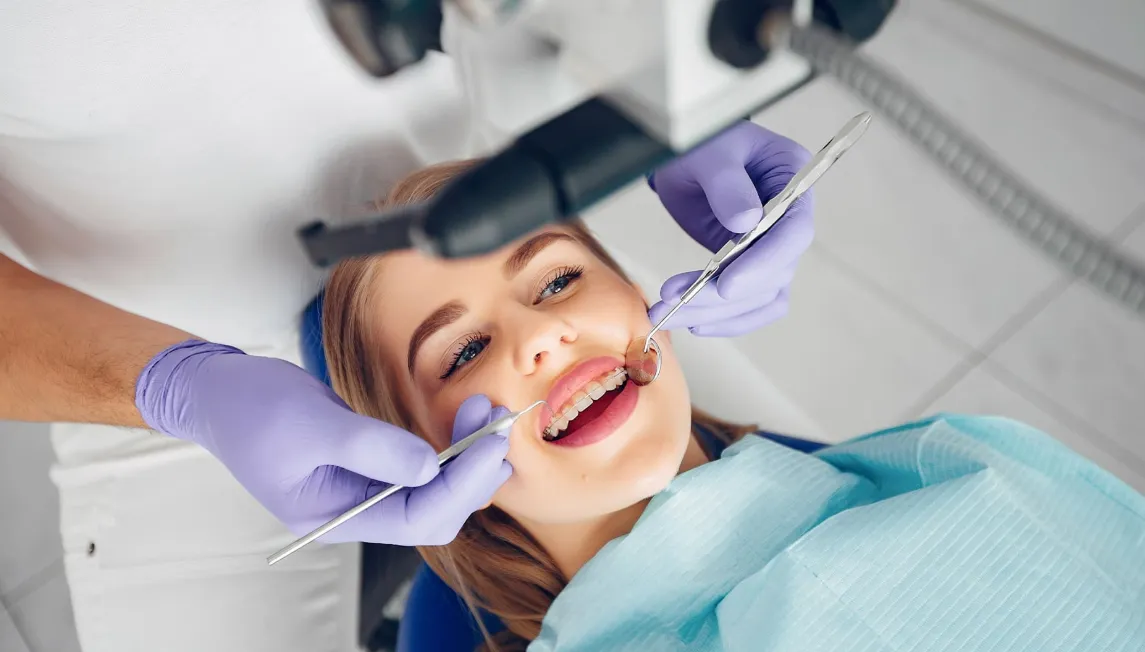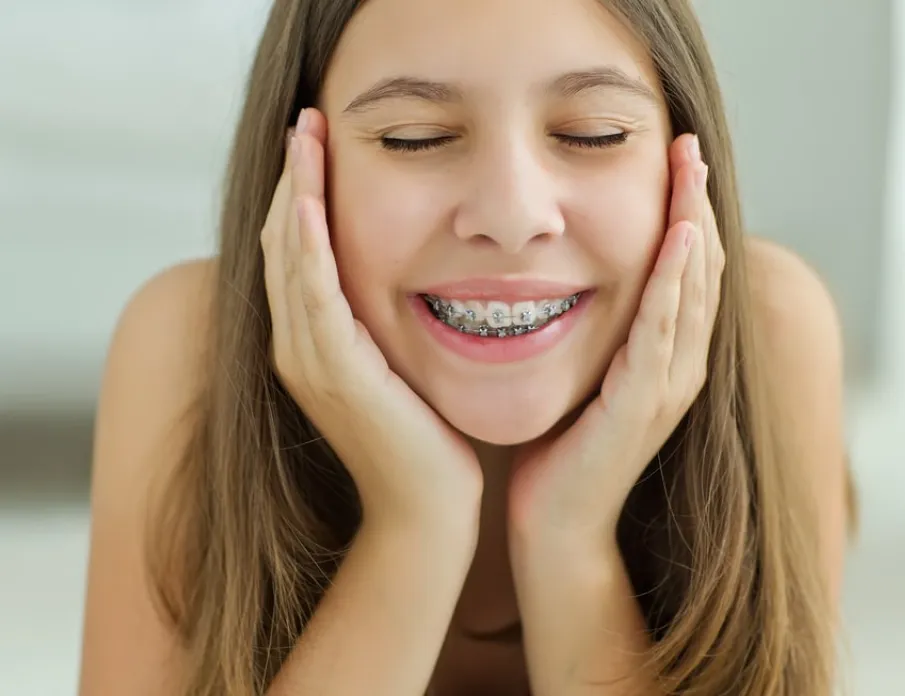
Teenage years mark a powerful stage of growth, confidence-building, and visible change. Dental alignment plays a quiet yet meaningful role during this phase, which shapes comfort, appearance, and daily habits. Braces enter conversations at this stage for reasons that extend far beyond appearance.
Parents and teenagers frequently seek clarity around orthodontic advice. Questions arise from clinical findings, facial development, and long-term oral stability. A clear understanding of these causes helps families approach Braces for teens with confidence and calm.
Jaw Growth Patterns and Timing
Orthodontists carefully observe jaw development during adolescence. Facial bones still respond to guidance at this age, which allows corrective support with predictable results. Early alignment support can influence how upper and lower jaws relate to each other over time.
Uneven jaw growth may trigger bite imbalance or facial strain. Braces assist with guiding teeth into positions that support balanced jaw function. This timing supports healthier chewing patterns and speech clarity.
Dental Crowding and Spacing Issues
Crowding appears when teeth compete for limited space within the jaw. Teenagers face this concern as adult teeth fully emerge and shift. Braces create structured movement that relieves pressure and restores order.
Spacing concerns present a different challenge. Gaps between teeth may affect bite stability and food retention. Orthodontic correction brings teeth closer together, which supports comfort and improved hygiene habits.
Bite Alignment Concerns
Proper bite alignment affects how teeth meet during chewing and rest. Misaligned bites place stress on enamel and jaw joints. Braces guide teeth into proper alignment, which reduces wear and discomfort.
Several bite patterns prompt orthodontic recommendations:
- An overbite that causes the upper teeth to cover the lower teeth excessively.
- An underbite that pushes the lower teeth forward.
- A crossbite that disrupts side-to-side balance.
- An open bite that prevents the front teeth from meeting.
Each pattern carries unique risks. Early correction improves long-term stability and jaw comfort.
Speech and Chewing Efficiency
Clear speech relies on precise tooth placement and tongue movement. Misalignment may interfere with certain sounds, which affects confidence during social interaction. Braces help refine positioning that supports natural speech flow.
Chewing efficiency also depends on even contact between teeth. Uneven surfaces slow digestion and strain jaw muscles. Orthodontic care restores balance that supports smoother eating experiences.
Oral Hygiene Challenges Linked to Alignment
Crooked or crowded teeth create hidden spaces that trap food particles. These areas resist standard brushing techniques. Braces address alignment issues that support easier cleaning routines.
Dental professionals highlight several hygiene-related triggers for orthodontic care:
- Repeated plaque buildup in hard-to-reach zones.
- Early enamel wear due to uneven contact.
- Gum irritation caused by overlapping teeth.
Improved alignment supports healthier gums. Cleaner surfaces reduce long-term dental concerns.
Emotional Confidence and Social Comfort
Teenagers experience heightened awareness of appearance and peer perception. Dental irregularities may influence smiling habits and social ease. Braces provide a structured path toward visible improvement.
Confidence grows as progress becomes noticeable. Positive self-image supports communication, participation, and personal expression. Orthodontic guidance supports emotional comfort alongside physical correction.
Long-Term Dental Stability
Orthodontic recommendations focus on future outcomes as much as present needs. Teeth that align correctly maintain their position more reliably over time. Braces support stability that reduces shifting during adulthood.
Balanced alignment also protects dental investments such as fillings or restorations. Even pressure distribution preserves tooth structure. This forward-focused approach supports lasting oral health.
Recommendations for Braces for teensstem from growth patterns, function, and long-term wellness. Each cause reflects careful evaluation rather than cosmetic preference. Clear insight into these reasons helps families approach orthodontic care with assurance and optimism.